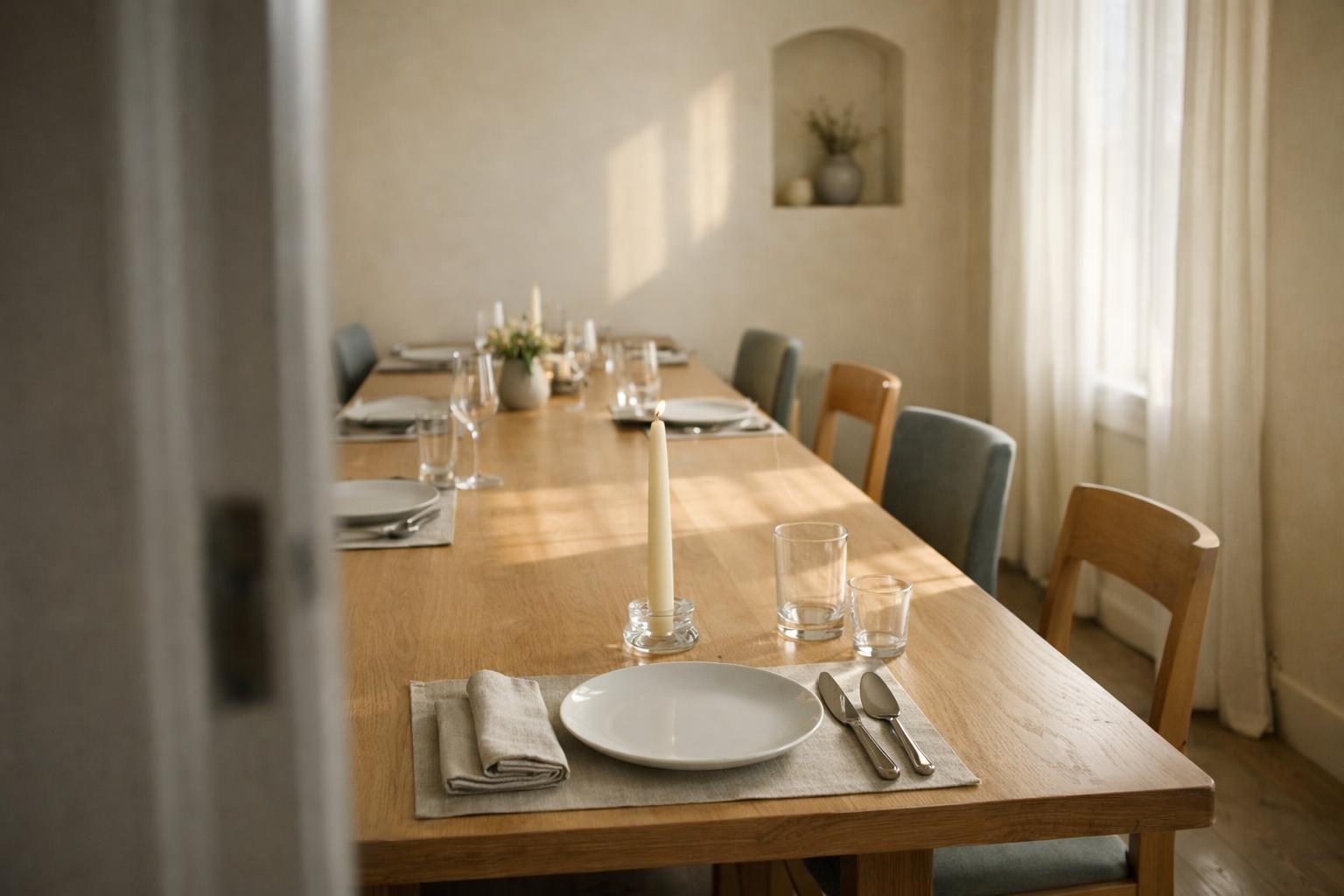
A family gathering after cremation can be as simple as a meal, a few shared stories, or quiet time together. Families arranging cremation services Farmers Branch, TX do not need to decide every detail at once. Start by agreeing on what would feel helpful, then build only the plans that support that purpose.
Key Takeaways
The gathering should reflect what close relatives need, not what others expect.
A meaningful remembrance may happen soon after cremation or at a later date.
The setting, guest list, and personal details work best when chosen together.
Clear roles and early boundary-setting can prevent added strain.
Final arrangements should be addressed before gathering plans take priority.
Start with the Gathering’s Purpose
Before choosing a date, food, or location, decide why the family wants to come together. Some families need a quiet space to sit with one another. Others want shared remembrance, spiritual reflection, or a larger celebration of a life that included many people.
A gathering does not have to accomplish everything. Trying to create a reunion, ceremony, tribute, and reception all at once can leave the closest relatives exhausted. A simple purpose gives everyone a clearer way to make later choices.
What Do Relatives Need Most Now?
The first question is often whether relatives need comfort, connection, structure, or privacy. A family grieving a sudden loss may prefer a small visit without a planned program. A family that has been separated by distance may value a longer gathering where people have time to talk.
Ask the closest decision-makers what would feel supportive, not what would look proper. Their answer may be different from what friends, coworkers, or extended relatives expect.
A Shared Purpose Guides Later Choices
A clear purpose helps settle questions that otherwise become stressful. If the goal is quiet connection, a private home or reserved room may fit better than a public event. If the goal is to hear memories from a wider circle, a more open setting and a simple speaking plan may make sense.
When a loved one had shared wishes in advance, those wishes can provide direction. Families may also find it useful to discuss will language for cremation so expectations are clearer before a loss occurs.
Timing Changes Who Can Participate
A gathering can happen shortly after cremation, weeks later, or on a date that holds meaning for the family. The right timing depends on emotional readiness, travel needs, work schedules, and whether close relatives are able to make decisions without feeling rushed.
There is no single deadline for remembrance. Waiting can give distant relatives time to attend and allow immediate tasks to settle. Holding a gathering sooner can give people a place to support one another while the loss is still very present.
Should the Gathering Happen Right Away?
Not necessarily. A prompt gathering may be right when family members need each other now, but it should not be chosen only because people assume it must happen immediately. The family can choose a small private gathering now and a broader remembrance later.
Cremation arrangements and a family gathering are separate decisions. Completing one does not mean the other must follow on a fixed schedule.
Flexibility Can Reduce Family Pressure
Offer a date range before committing to one day. This gives key relatives room to say whether travel, caregiving, school, or grief itself makes participation difficult.
For example, siblings might meet for a quiet dinner soon after arrangements are complete, then invite extended family to a remembrance several weeks later. That approach protects the immediate family’s need for privacy without excluding people who want to pay their respects.
Choose a Setting That Supports Connection
The best setting is one that matches the gathering’s purpose and the needs of those attending. Consider whether guests need easy access, a calm environment, room for conversation, or a place where people can come and go comfortably.
Setting Approach
Atmosphere
Privacy
Planning Demands
Family home
Familiar and relaxed
High
Shared hosting tasks
Restaurant gathering
Casual and social
Limited
Reservation and meal choices
Community room
Flexible and organized
Moderate
More coordination
Place of worship
Reflective and structured
Varies
Schedule coordination
Outdoor location
Informal and open
Limited
Weather backup needed
A home may feel comforting, but it can also place hosting work on someone who is grieving. A public setting can reduce cleanup and meal preparation, though it may not offer enough privacy for close conversations. Choose the place that makes connection easier, not the place that seems most impressive.
Meaningful Details Shape the Experience
Personal details can make a gathering feel true to the person being remembered. They do not need to be elaborate, expensive, or polished. The goal is to give people a few natural ways to recognize a life and participate at their own comfort level.
Choose one memory-sharing option, such as inviting guests to tell a short story, bring a photograph, or write a note for the family.
Select a few details that fit the person, such as familiar music, a favorite meal, a meaningful reading, or a display of hobbies.
Decide whether anyone will welcome guests or say a few words, then keep that role simple.
Leave open time for visiting, because personal conversations often become the most meaningful part of the day.
Which Memories Invite Participation?
Specific prompts are easier than asking people to “share anything.” You might invite stories about a favorite saying, a kindness people remember, a hobby, or a time the person made others laugh.
Not everyone will want to speak publicly. Written notes, photographs, or quiet conversation give guests other ways to take part without pressure.
Food, Music, and Objects Set a Tone
Food can make a gathering feel like family time rather than a formal event. Music can create a reflective atmosphere, but it does not need to play continuously. A few familiar objects, photographs, or personal items may say more than a large display.
Families considering a private goodbye before cremation may also want to read about what a private farewell involves. That choice is separate from a later family gathering.
Leave Room for Unplanned Moments
A full agenda can make grief feel managed rather than acknowledged. Keep any readings, music, or remarks brief enough that people can pause, talk, or step outside when they need to.
Some guests may cry, others may laugh at a memory, and some may stay quiet. All of those responses can belong in a respectful gathering.
Balance Participation with Family Boundaries
A gathering can welcome others while still protecting the closest relatives’ needs. Decide early whether the event is for immediate family only, a wider circle of friends and relatives, or a mix of both with a separate private moment reserved for family.
Children can be included when caregivers prepare them simply and honestly for what the gathering will be like. Virtual attendance may also help people who cannot travel, but it is wise to decide whether any personal sharing should remain off camera.
Who Should Be Invited?
The guest list should follow the gathering’s purpose. A quiet meal may be best for a small group, while an open remembrance can include coworkers, neighbors, friends, and extended relatives.
If opinions differ, consider holding more than one moment of remembrance rather than forcing one event to meet every need. A private family gathering and a later open gathering can both be meaningful.
Clear Roles Prevent Unnecessary Strain
Choose a few people to handle practical tasks, such as welcoming guests, bringing food, managing music, or answering messages. The closest relatives should not have to coordinate every detail while they are grieving.
It also helps to name one person who can gently redirect difficult conversations or handle last-minute questions. That small bit of structure may protect the family’s time together.
Discuss Expenses Before Making Commitments
Gathering plans can become more complicated when decisions are made quickly or assumptions go unspoken. A simple conversation about what matters most can keep the event within the family’s comfort level and prevent one person from carrying unexpected responsibilities.
What Choices Can Affect the Budget?
Several planning choices can change what a family needs to spend or organize:
The venue and whether it requires a reservation or rental
Food, refreshments, or a shared meal
Travel and lodging for relatives coming from away
Printed materials, flowers, music, or photo displays
Technology for virtual participation
Help with setup, cleanup, or transportation
Start with the elements that support the gathering’s purpose. A meaningful event may require only a comfortable place, time to be together, and a few personal touches.
Ask for Clear Pricing Information
Before making a commitment, ask providers what is included and what may be added later. Put one person in charge of confirming details so relatives do not receive conflicting information.
The same practical approach can help with cremation arrangements. TLC Cremation provides families with a straightforward process for making arrangements, allowing them to focus their energy on the decisions that matter most to their family.
Cremation Arrangements Come Before Gathering Plans
Cremation is a form of final disposition, and the required arrangement process should be completed before the family turns full attention to a gathering. Once those arrangements are in place, relatives can choose a date and format that fits their needs rather than feeling pushed into a rushed event.
A post-cremation gathering is a family decision, not a requirement for honoring someone well. It can be informal, private, delayed, or shaped around a meaningful tradition. Check your local requirements if questions arise about the steps involved.
Write down three priorities for the gathering this week, such as who needs to be present, what tone feels right, and how much planning your family can reasonably manage. As you weigh those choices together, cremation services Farmers Branch, TX can be one part of a calmer, more thoughtful plan. TLC Cremation is available to talk through cremation arrangements and family options. Call (214) 941-9592.
Our Reviews
Stephanie P.
Reviewed in 2025
The staff there are wonderful and helped me through the entire process! They were very patient as my family and I were going through this difficult loss!
Misty M.
Reviewed in 2025
My situation was very sudden and it's something I've never had to do before. They have helped me every step of the way and are still working with me.
Karen V.
Reviewed in 2024
When my grandmother passed away I had no idea what to do and felt so overwhelmed. I looked up 3 different funeral homes for cremation and TLC was so quick to respond.
Greta P.
Reviewed in 2024
TLC was highly recommended by our hospice social worker. This helped as make a decision on who we want to use after my husband’s death.