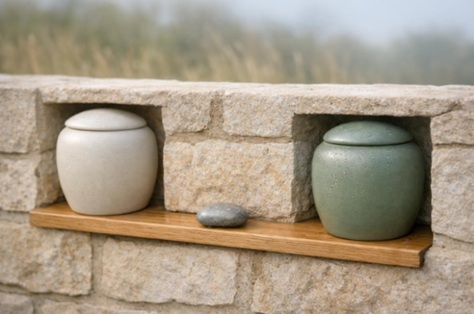
A companion memorial vessel is meant to honor a close bond, usually a marriage or lifelong partnership, while still respecting that each person’s life was distinct. Families considering cremation services Irving, TX often find that the best choice is not about selecting an item quickly. It is about deciding how the relationship, family traditions, and future memorial plans should be reflected.
A Companion Memorial Vessel Can Tell the Story of a Shared Life
A companion memorial vessel is designed to hold the cremated remains of two people together, either at the same time or at different times. It may be chosen after both deaths, selected after the first death for later use, or included in pre-planning conversations.
This option can feel fitting when two people built a life around shared commitments, faith, family, travel, hobbies, or a long partnership. Still, togetherness does not require one shared vessel. Some families prefer coordinated individual pieces because it gives each person a separate place of honor while maintaining a connected design.
The right decision begins with the wishes of the people being remembered. It should also account for where the memorial will be kept, whether relatives may want keepsakes, and whether a future ceremony is planned. For thoughtful ways to mark a life beyond the memorial vessel itself, consider these meaningful memorial ideas for close family.
Start with the Timing of the Memorial Decision
When both people have died, families can make a complete decision based on both sets of wishes and the plans for final placement. There is less uncertainty about capacity, inscription details, and whether family members want a shared place of remembrance.
Choosing after the first death is also common, but it requires a little more planning. The cremated remains may be held in a temporary container or another appropriate option until the companion piece is ready to be used. Before making that choice, discuss who will care for it, where it will be kept, and what should happen when the second person dies.
Pre-planning gives couples the clearest opportunity to make their own preferences known. A short written note can prevent relatives from having to guess during an already difficult time. If the couple has not discussed it, it is wise to pause before choosing a permanent option rather than assuming that one shared vessel is what both would have wanted.
The Key Factors That Shape a Companion Memorial Vessel Choice
- Intended placement: A home display, columbarium niche, cemetery setting, or another location may have different size and material requirements. Confirm available dimensions before selecting anything permanent.
- Available space: Measure the shelf, cabinet, niche, or memorial area. A piece that is meaningful but too large for the intended place can create an avoidable problem later.
- Capacity needs: Ask whether the vessel is designed to hold the cremated remains of two adults. Capacity varies by design, so do not rely on appearance alone.
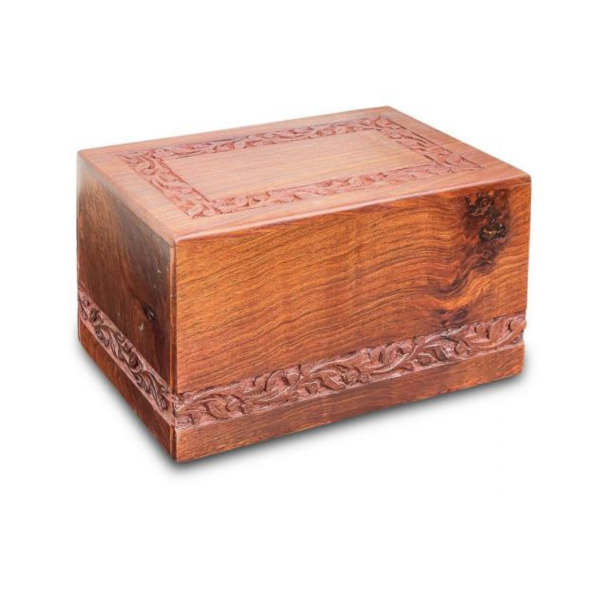
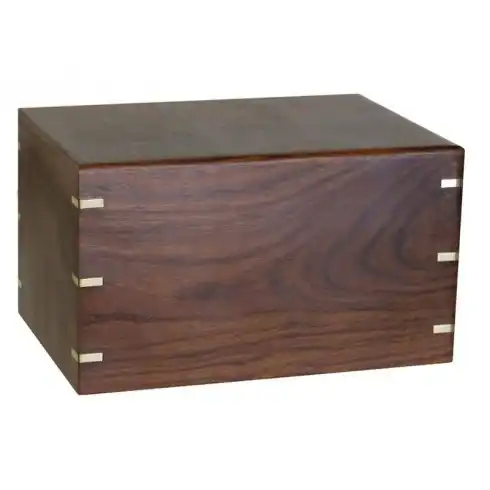
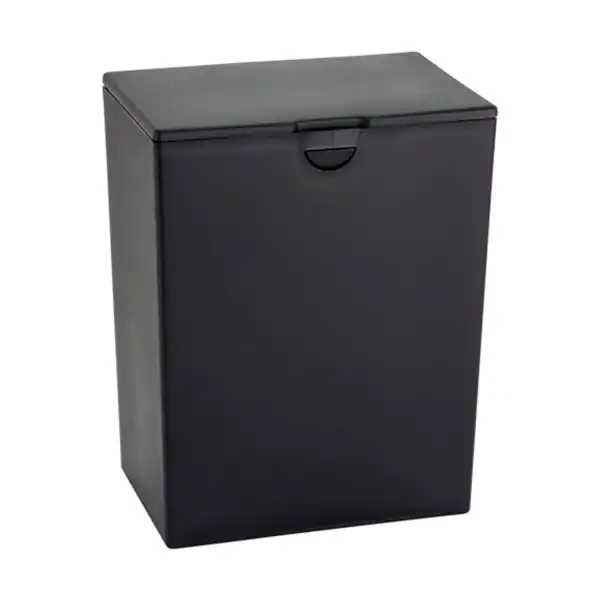
- Material preferences: Wood, metal, ceramic, stone, and biodegradable materials each create a different look and may suit different placements. Consider durability, maintenance, and the environment where it will be kept.
- Design style: Some families choose a simple, classic design. Others select a theme connected to the couple’s faith, military service, love of nature, or shared interests.
- Personalization: Names, dates, a brief phrase, symbols, or a meaningful image may reflect both people. Leave enough room for future dates if the selection is being made after the first death.
- Purpose beyond holding remains: A companion piece may be symbolic, while the remains are kept separately, shared among relatives, or handled according to another memorial plan.
Shared Memorial Vessel, Matching Vessels, or Separate Keepsakes?
- One companion memorial vessel: This can be meaningful when the couple clearly wished to remain together and the family agrees on a single place of remembrance. It works best when final placement is already known.
- Coordinated individual vessels: Matching materials, colors, or inscriptions can show connection without combining remains. This may be a better fit when each person will be remembered in a different location.
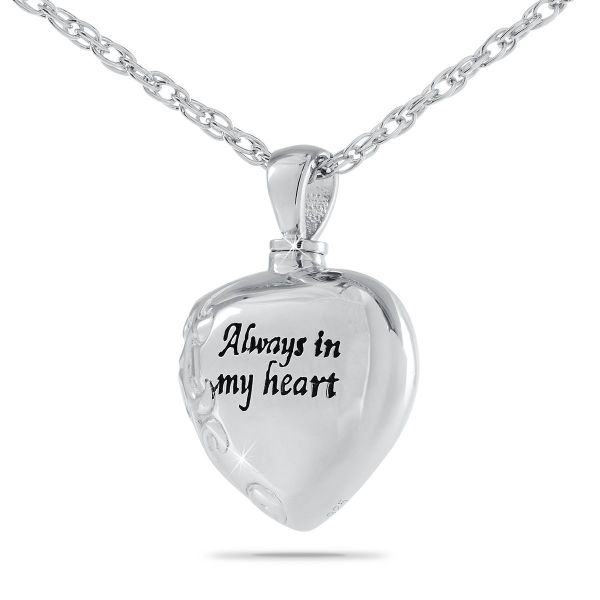
- Keepsake pieces: Small memorial items can allow several close relatives to hold a tangible connection. Families should decide this early, since it may affect how much remains for the primary memorial piece.
- Ceremony or distribution plans: Some families choose a memorial service and a meaningful distribution of cremated remains instead of permanent display. This requires clear agreement among the people who will take part.
Questions to Discuss Before Making a Final Selection
- Did the couple express a wish to be honored together, separately, or in another way?
- Is there a written plan, faith tradition, or family custom that should guide the decision?
- Where will the memorial piece be kept now, and where will it be placed later?
- Does the chosen location have size, material, or display limitations?
- Should names, dates, a favorite saying, or meaningful symbols be included?
- Will close relatives want keepsake pieces or a ceremony before final placement?
- Who should be involved in the decision so no important voice is overlooked?
- If one person is still living, what temporary arrangement feels respectful until future plans are carried out?
Compassionate Guidance for Cremation Services in Irving, TX
A companion memorial decision does not need to be made all at once. Asking practical questions early can protect families from rushed choices and give everyone time to consider what best honors the people involved. TLC Cremation offers simple, dignified arrangements that can be completed online, with care maintained through its private on-site crematory.
For families seeking cremation services in Irving, TX, it is appropriate to ask for general guidance about companion options, capacity, personalization, and timing before making a final selection. To discuss arrangements with TLC Cremation, call (214) 941-9592.