Key Takeaways
- Talking about cremation early gives loved ones direction when emotions are high.
- State your preference plainly instead of assuming relatives understand it.
- Break planning into small conversations rather than trying to settle everything at once.
- Put important wishes in writing and tell trusted people where to find them.
- Your preferences can change as life, family relationships, and priorities change.
Start with the Relief a Clear Conversation Can Bring
Sharing cremation wishes ahead of time is not morbid or demanding. It is one way to reduce uncertainty for the people who may have to make decisions while grieving. Families seeking cremation services Farmers Branch, TX often benefit most when the person’s basic preferences have already been discussed.
A calm conversation does not take sadness out of a future loss, but it can prevent relatives from wondering whether they made the right choice. It also gives family members permission to focus on supporting one another instead of trying to interpret silence.
Choose a quiet moment when no one is rushed. You might begin with, “I want to share a few things that would help you later, if you ever need to make arrangements for me.” That opening makes clear that you are offering guidance, not placing a burden on anyone.
Myth: My Family Already Knows What I Want
Relatives often know someone prefers cremation, yet disagree about what that preference means in practice. One person may assume there should be a formal service, while another believes a private family gathering was intended. Both may be acting with love, but assumptions can still create strain.
Say your preference directly. Explain whether cremation is what you want and identify the person, or small group of people, you would like involved in decisions. If family relationships are complicated, it is especially important to name a trusted person who understands your wishes and can help keep conversations focused.
This does not mean every loved one must agree with every detail today. It means they will have a clear starting point rather than a collection of guesses.
Myth: One Difficult Conversation Has to Cover Everything
You can start small and return to the subject later. A short conversation over coffee, a phone call with an adult child, or a family discussion after updating other household records can be enough to begin.
Over time, consider discussing these points:
- Your central preference: State plainly that you prefer cremation and whether you want arrangements kept private or shared with a wider circle.
- Who should participate: Name the people you hope will be included in decisions and who should receive an early call.
- The kind of remembrance you value: Some people prefer no gathering. Others want a meal, a faith-based observance, music, photos, readings, or a memorial held weeks later.
- What matters most to you: Tell family whether simplicity, time together, a particular tradition, or another priority should guide their choices.
- Who should be notified: Make a list of close friends, relatives, coworkers, faith leaders, or community members your family may not know to contact.
A memorial does not have to happen immediately after a death. For ideas that help families shape a personal gathering later, read planning a meaningful cremation memorial in farmers branch tx.
Myth: Cremation Wishes Are Only About Choosing Cremation
Cremation is one decision, not the whole plan. The details that follow can matter just as much because they affect how your family spends their first days of grief and how they honor your life.
Use this checklist to make your preferences more useful:
- Gathering preferences: Do you want a quiet goodbye among immediate family, a larger memorial, a religious observance, or no service at all?
- Remains preferences: Share any meaningful plans for the cremated remains, including whether you want them kept by a family member, placed in a permanent memorial location, or handled in another way that feels right to you.
- Personal touches: Note meaningful music, readings, photographs, military or civic recognition, charitable gifts, or traditions that would feel fitting.
- Budget priorities: You do not need to provide every detail. It is helpful, though, to explain whether you want your family to keep arrangements simple or place more emphasis on a gathering or tribute.
- Provider questions: Ask about the process, identification procedures, timing, what is included in the arrangement options, and how the provider communicates with family members. Clear answers make it easier to compare choices before there is an immediate need.
Myth: Saying It Out Loud Is Enough
A conversation is valuable, but memories can fade and relatives may remember different parts of it. Writing down your wishes gives your family something concrete to return to when they are tired, emotional, or separated by distance.
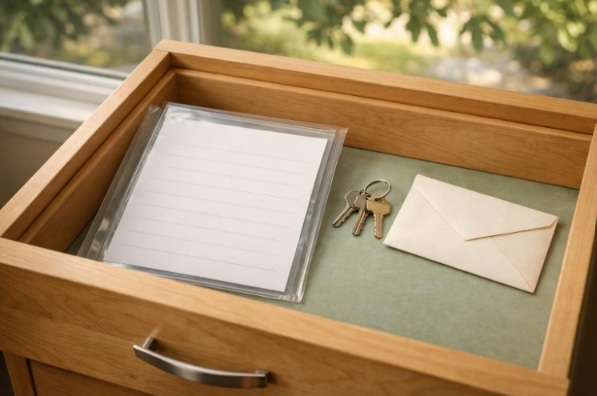
- Create a simple written summary. Include your cremation preference, people to contact, gathering wishes, and any personal requests. Use plain language so no one has to decode what you meant.
- Keep it where it can be found. Store it with other important household records or in another safe, accessible place. Avoid placing the only copy somewhere no one else can reach.
- Tell trusted people where it is. At least two people should know the location, especially if one person may be unavailable when needed.
- Review it after major changes. Divorce, remarriage, a move, a death in the family, or a change in beliefs may affect who should be involved or what you want.
- Ask the right professional about documentation. Requirements for written arrangements can vary. If you want your instructions prepared in a particular formal way, ask an appropriate professional what documentation is suitable for your situation.
Waiting to organize these details can leave relatives searching through papers and messages during an already difficult time. A short written note now can save them from making decisions based on incomplete information later.
Myth: Planning Ahead Means Giving Up Flexibility
Advance planning is not a promise that every detail must stay the same forever. It is a way to give your family direction. You can revise your notes, change who should be involved, or decide that a different type of remembrance feels more fitting as time passes.
The most helpful plans usually identify a few firm wishes and leave room for loved ones to respond to the moment. A family may need to adjust the timing of a gathering, accommodate relatives traveling from out of town, or choose a tribute that reflects circumstances at the time.
For general questions about the process, arrangement options, and what a simple cremation plan can include, TLC Cremation can offer calm guidance. If you are considering cremation services Farmers Branch, TX and want to begin the conversation before there is an urgent need, call TLC Cremation at (214) 941-9592.
Frequently Asked Questions
How Do I Bring Up Cremation Without Upsetting My Family?
Start by explaining your reason. You can say you want to make future decisions easier for them, not cause worry. Keep the first talk brief, then return to details when everyone has had time to think.
What Should I Tell My Family About My Cremation Wishes?
At minimum, state that cremation is your preference, who should be involved in arrangements, and whether you want a gathering. Also share who should be notified and any traditions, music, readings, or personal requests that matter to you.
Should My Cremation Wishes Be Written Down?
Yes. A written summary helps reduce confusion and gives loved ones a reliable reference. Keep it with important records and tell more than one trusted person where it is stored.
What If Family Members Disagree About My Wishes?
Clear communication before a death can reduce disagreements. Tell the people closest to you what matters most, name a trusted person who understands your preferences, and leave a written summary they can refer to.
Can I Change My Mind After Talking About Cremation?
Yes. Your wishes can change as your circumstances and priorities change. Review your written notes after major life events and let the people involved know about updates.