












Available 24/7  214-941-9592

Choosing a Companion Memorial Vessel to Honor Two Lives Together

A companion memorial vessel is meant to honor a close bond, usually a marriage or lifelong partnership, while still respecting that each person’s life was distinct. Families considering cremation services Irving, TX often find that the best choice is not about selecting an item quickly. It is about deciding how the relationship, family traditions, and future memorial plans should be reflected. 

A Companion Memorial Vessel Can Tell the Story of a Shared Life 

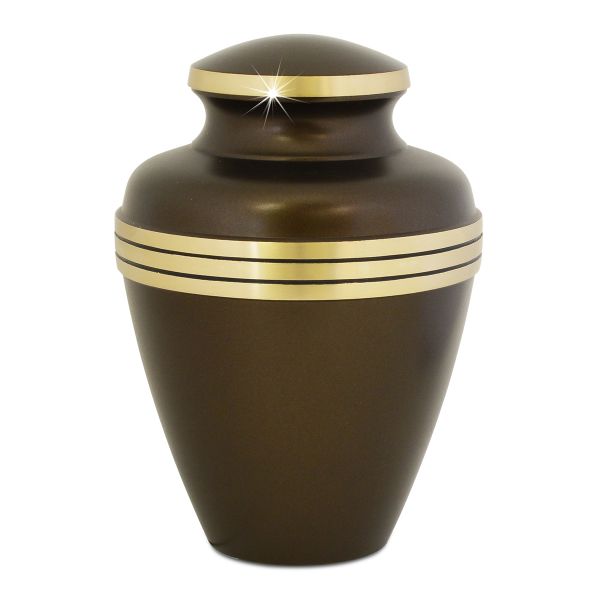
A companion memorial vessel is designed to hold the cremated remains of two people together, either at the same time or at different times. It may be chosen after both deaths, selected after the first death for later use, or included in pre-planning conversations. 

This option can feel fitting when two people built a life around shared commitments, faith, family, travel, hobbies, or a long partnership. Still, togetherness does not require one shared vessel. Some families prefer coordinated individual pieces because it gives each person a separate place of honor while maintaining a connected design. 

The right decision begins with the wishes of the people being remembered. It should also account for where the memorial will be kept, whether relatives may want keepsakes, and whether a future ceremony is planned. For thoughtful ways to mark a life beyond the memorial vessel itself, consider these meaningful memorial ideas for close family

Start with the Timing of the Memorial Decision 

When both people have died, families can make a complete decision based on both sets of wishes and the plans for final placement. There is less uncertainty about capacity, inscription details, and whether family members want a shared place of remembrance. 

Choosing after the first death is also common, but it requires a little more planning. The cremated remains may be held in a temporary container or another appropriate option until the companion piece is ready to be used. Before making that choice, discuss who will care for it, where it will be kept, and what should happen when the second person dies. 

Pre-planning gives couples the clearest opportunity to make their own preferences known. A short written note can prevent relatives from having to guess during an already difficult time. If the couple has not discussed it, it is wise to pause before choosing a permanent option rather than assuming that one shared vessel is what both would have wanted. 

The Key Factors That Shape a Companion Memorial Vessel Choice 

  • Intended placement: A home display, columbarium niche, cemetery setting, or another location may have different size and material requirements. Confirm available dimensions before selecting anything permanent. 
  • Available space: Measure the shelf, cabinet, niche, or memorial area. A piece that is meaningful but too large for the intended place can create an avoidable problem later. 
  • Capacity needs: Ask whether the vessel is designed to hold the cremated remains of two adults. Capacity varies by design, so do not rely on appearance alone. 
  • Material preferences: Wood, metal, ceramic, stone, and biodegradable materials each create a different look and may suit different placements. Consider durability, maintenance, and the environment where it will be kept. 
  • Design style: Some families choose a simple, classic design. Others select a theme connected to the couple’s faith, military service, love of nature, or shared interests. 
  • Personalization: Names, dates, a brief phrase, symbols, or a meaningful image may reflect both people. Leave enough room for future dates if the selection is being made after the first death. 
  • Purpose beyond holding remains: A companion piece may be symbolic, while the remains are kept separately, shared among relatives, or handled according to another memorial plan. 

Shared Memorial Vessel, Matching Vessels, or Separate Keepsakes? 

  • One companion memorial vessel: This can be meaningful when the couple clearly wished to remain together and the family agrees on a single place of remembrance. It works best when final placement is already known. 
  • Coordinated individual vessels: Matching materials, colors, or inscriptions can show connection without combining remains. This may be a better fit when each person will be remembered in a different location. 
  • Keepsake pieces: Small memorial items can allow several close relatives to hold a tangible connection. Families should decide this early, since it may affect how much remains for the primary memorial piece. 
  • Ceremony or distribution plans: Some families choose a memorial service and a meaningful distribution of cremated remains instead of permanent display. This requires clear agreement among the people who will take part. 

Questions to Discuss Before Making a Final Selection 

  • Did the couple express a wish to be honored together, separately, or in another way? 
  • Is there a written plan, faith tradition, or family custom that should guide the decision? 
  • Where will the memorial piece be kept now, and where will it be placed later? 
  • Does the chosen location have size, material, or display limitations? 
  • Should names, dates, a favorite saying, or meaningful symbols be included? 
  • Will close relatives want keepsake pieces or a ceremony before final placement? 
  • Who should be involved in the decision so no important voice is overlooked? 
  • If one person is still living, what temporary arrangement feels respectful until future plans are carried out? 

Compassionate Guidance for Cremation Services in Irving, TX 

A companion memorial decision does not need to be made all at once. Asking practical questions early can protect families from rushed choices and give everyone time to consider what best honors the people involved. TLC Cremation offers simple, dignified arrangements that can be completed online, with care maintained through its private on-site crematory. 

For families seeking cremation services in Irving, TX, it is appropriate to ask for general guidance about companion options, capacity, personalization, and timing before making a final selection. To discuss arrangements with TLC Cremation, call (214) 941-9592.

A Family Guide to Gathering Information for Cremation Arrangements

You do not need every answer before you call for cremation services Dallas, TX. The most helpful first step is gathering a few basic facts, identifying the right family contact, and making one place for questions that come up. 

Grief makes ordinary tasks feel harder. A simple list can keep relatives from searching through separate text messages, drawers, emails, and paperwork while decisions are underway. Start with what is available, then let the provider explain what can wait. 

Start with the Information That Helps Begin the Arrangement Process 

These are the details that usually help a provider understand the immediate situation and begin guiding your family. 

  • Your loved one’s full legal name: Use the name shown on identification and official records, including any middle name or suffix if known. This helps avoid corrections later. 
  • Date of birth and date of death: If you are unsure of an exact date, say so. An estimate is still useful while the family locates confirmation. 
  • Current location: Note whether your loved one is at a hospital, care community, residence, medical examiner’s office, or another location. This affects the next practical steps. 
  • Primary next-of-kin contact: Choose one person to receive updates and share information with others. A clear point of contact reduces crossed messages at a difficult time. 
  • Immediate care instructions: Write down anything the family already knows, such as a request for a private goodbye, a faith-based custom, or someone who should be called before arrangements move forward. 

It is also helpful to name one backup contact. That person can step in if the primary contact needs rest, is traveling, or becomes overwhelmed. 

Find the Documents and Personal Details You May Be Asked to Confirm 

Some information supports required records and helps the arrangement process move smoothly. Do not delay your first call because a folder is incomplete. Ask which items are needed now and which can be provided later. 

  • Identification: Look for a driver’s license, state identification card, passport, or another document that confirms identity. 
  • Social Security information: Keep this information private and share it only through the provider’s requested process. 
  • Marital status: Note whether your loved one was married, widowed, divorced, or never married, along with a spouse’s name when applicable. 
  • Parents’ full names: Include a parent’s maiden name if known. Older documents, family Bibles, and birth records can sometimes help fill gaps. 
  • Military history: Gather branch of service, service dates, discharge paperwork, or any veteran-related documents if applicable. Even incomplete information is worth noting. 
  • Occupation and education: A former employer, career field, school, degree, or training may be needed for records and can later help the family write an obituary or tribute. 
  • Residence history: Have the current address available, along with the length of time there if known. Previous communities may matter when notifying friends or locating records. 

A relative may remember facts that are not written down. Give that person a specific task, such as confirming a parent’s full name or locating military paperwork, instead of asking them to “find everything.” 

Identify the Person Authorized to Make Cremation Decisions 

A provider must confirm who can make and sign cremation decisions. This can feel uncomfortable when several people love the same person, especially in blended families or when relatives live far apart. 

Speak openly early if there are adult children, a spouse, siblings, a prearrangement document, or uncertainty about who should decide. The provider can explain the information needed to move forward and help prevent a family disagreement from becoming a delay. 

One person should not assume they have authority simply because they are closest geographically or have been handling medical updates. Clarifying this at the beginning protects everyone from confusion later. 

Gather Any Known Wishes for Cremation and Memorialization 

You are collecting preferences, not trying to plan every detail in one sitting. Start with what your loved one said, wrote down, or consistently valued. 

  • Written instructions: Check for preplanning papers, a notebook, an email, or notes kept with important documents. Tell the provider if you find anything, even if it seems informal. 
  • People who should be included: List relatives, close friends, faith leaders, or others who should be informed before a decision is finalized. 
  • A private gathering: Some families want a quiet time together before or after cremation. Others prefer no gathering at all. Both choices can be meaningful. 
  • Plans for cremated remains: You do not have to settle this immediately. Consider whether the family needs time to talk, whether more than one relative should be involved, and whether a permanent place of remembrance is important. 
  • Personal items or traditions: Note any clothing, photographs, readings, music, or cultural practices the family may wish to discuss with the provider. 

For a clearer view of the digital steps, read how online cremation arrangements work for Dallas families. Reviewing the process ahead of time can make it easier to divide tasks among relatives. 

Prepare Questions About Care, Timing, Pricing, and Arrangements 

A good question list lets you make decisions with fewer assumptions. Keep it on paper or in one shared note so each family member sees the same answers. 

  • How will my loved one be cared for from transfer through cremation? Ask who is responsible at each stage and whether the crematory is on site. 
  • What identification steps are used throughout the process? Families deserve a clear explanation of how their loved one is identified and cared for. 
  • What does the arrangement process involve? Ask what can be completed online, by phone, or in person, and what information is needed first. 
  • Which authorizations will be needed? This helps the family understand who must participate before final decisions are made. 
  • What is included, and what choices are optional? A clear written explanation helps families compare options without confusion. 
  • What timing should we expect? Ask what may affect the schedule, including missing information or family decisions that need more discussion. 

TLC Cremation operates a private, on-site crematory, so families can ask directly about continuity of care and what to expect from the process. 

Keep a Simple Family Information Folder and Ask for Support When Needed 

Use one paper folder, secure digital folder, or shared notebook. Keep identification details, documents, contact names, known wishes, questions, and notes from conversations together. 

Then choose a family member to update the folder after each call. This small step prevents repeated questions and gives everyone a reliable place to check before making decisions. 

Missing information does not mean you have failed your loved one. A compassionate provider can help you sort out what is urgent, what can wait, and where to look next. If your family needs calm guidance with cremation services Dallas, TX, TLC Cremation is available to help you begin at (214) 941-9592

How Direct Cremation Supports Families Living Far Apart

For families considering cremation services Farmers Branch, TX, a simple cremation choice can separate the immediate need for care from the later need to gather. That distinction matters when siblings, adult children, or close friends live in different cities, work schedules are fixed, and travel cannot happen overnight. 

When Family Is Scattered, What Needs to Happen First? 

A death often creates two kinds of decisions at once. The first is immediate: choosing a provider, arranging transfer into care, and deciding how the loved one will be cared for. The second is personal: deciding who should be present, what kind of remembrance feels right, and when people can realistically come together. 

Trying to solve both at the same time can make a painful week even harder. A family may feel pressure to book flights, reserve a gathering place, notify everyone, and agree on details before anyone has had time to process the loss. 

A simple cremation arrangement allows the immediate care decision to move forward without forcing the memorial decision. This is not a smaller expression of love. It is a way to give the family time to make thoughtful choices instead of rushed ones. 

How Can Direct Cremation Reduce the Pressure to Travel Immediately? 

When a service is scheduled right away, relatives who live far away may feel they have to travel regardless of work, health, childcare, or financial limits. Some will not be able to make it, and that can add guilt to grief. 

With cremation completed first, the family can choose a later date that gives people a fair chance to attend. A remembrance can take place weeks or months later, during a holiday visit, after a school term ends, or when an out-of-town relative is able to come home. 

This approach also gives relatives time to talk about what would feel meaningful rather than choosing a format simply because it is available quickly. For a clear overview of the sequence, read how cremation arrangements work for families

Can Relatives Participate in Arrangements From Another Location? 

Distance does not mean one family member must carry every decision alone. Before arrangements begin, it helps to name one primary contact and agree on how updates will be shared. 

  • Use one shared communication channel: A group text, email thread, or scheduled video call can prevent different relatives from receiving different information. 
  • Decide who has final responsibility: Families do better when they agree early on who will speak with the provider and relay decisions to others. 
  • Review options together: Ask for information that can be read and discussed remotely, rather than trying to make every choice during a hurried phone call. 
  • Keep decisions in writing: A short recap of what was chosen, what is still undecided, and what happens next reduces confusion. 
  • Ask about online arrangements: TLC Cremation offers online arrangement convenience, which can help relatives participate even when they cannot be in the same room. 

If your family is spread across several time zones, ask the provider how updates will be handled and what information can be reviewed from home. 

What Can Families Plan After the Cremation Is Complete? 

Cremation does not prevent a memorial later. In many cases, waiting makes the gathering more personal because relatives have time to choose a date and shape the occasion around the person who died. 

  • A private family gathering: Meet at a home, park, restaurant room, or another meaningful place when immediate family can be present. 
  • A remembrance during a future visit: Some families wait until relatives are already planning to be together, which can reduce travel strain. 
  • A faith-based observance: A religious service or prayer gathering may be planned on a timeline that works with the family’s traditions. 
  • A gathering to share remains among close family and friends: This can be quiet and private, with time for stories, readings, music, or a meal afterward. 
  • Separate gatherings in more than one location: When no single date works for everyone, different branches of the family may choose their own ways to remember. 

There is no required timetable for honoring a life. The better choice is the one that lets the people closest to the loss participate with care and intention. 

What Questions Should a Far-Apart Family Discuss Before Choosing a Provider? 

  • Communication: Who will answer questions, and how will family members receive updates if they live elsewhere? 
  • Care continuity: Will the loved one remain in the provider’s care throughout the process, or are transfers involved? 
  • Arrangement access: Can key information and choices be handled remotely when needed? 
  • Clear explanations: Will the provider explain what happens next in plain language, without leaving the family to guess? 
  • Timeline: What needs an immediate decision, and what can wait until relatives have had time to talk? 
  • Transparency: Can the family review the full arrangement information before making a decision? 
  • Memorial flexibility: Can the family plan a gathering later without being pushed into an immediate service date? 

These questions are not about being difficult. They help relatives make a calm, united decision when emotions and distance make communication harder. 

Why Does Continuity of Care Matter When Relatives Cannot Be There in Person? 

Distance can leave family members wondering who is caring for their loved one and whether the process is being handled with attention. Clear communication helps, but it also matters to understand where that care takes place and whether the provider remains involved throughout. 

TLC Cremation is family-owned and operates a private, on-site crematory, so loved ones remain in its care during the cremation process. For families seeking cremation services Farmers Branch, TX, that continuity can bring needed clarity while relatives coordinate from different locations. To discuss arrangements and the next steps, call TLC Cremation at (214) 941-9592

Understanding What Is Included in a Simple Cremation Arrangement

A simple cremation arrangement is a straightforward choice for families who do not want a traditional funeral service before cremation. When considering cremation services Irving, TX, it helps to know that the word “simple” describes the type of arrangement, not the level of care given to your loved one. 

The exact items included can differ from one provider to another. Asking for a clear explanation early helps your family avoid assumptions while you are already managing a difficult time. 

What Does a Simple Cremation Arrangement Usually Mean? 

A simple arrangement generally means cremation takes place without a formal visitation, funeral ceremony, or gathering beforehand. Families often choose it because they prefer a quiet process now and the freedom to remember their person later in their own way. 

It is different from cremation with a funeral service, where the family plans a gathering before the cremation takes place. A simple arrangement can still be deeply personal. It simply separates the care of the person who died from any memorial plans the family may make later. 

What Care and Coordination Are Typically Part of the Arrangement? 

Most providers will discuss several basic parts of the process with you: 

  • Transfer Into Care: Bringing your loved one into the provider’s care from the place of death. 
  • Respectful Sheltering and Preparation: Keeping your loved one in a dignified, secure setting while arrangements are completed. 
  • Required Paperwork Coordination: Helping the family gather and complete the documents needed to move forward. 
  • Cremation Authorization: Obtaining approval from the person or people authorized to make arrangements. 
  • The Cremation Process: Completing cremation after all required steps are in place. 

Ask the provider to explain precisely what their arrangement includes. TLC Cremation operates a private, on-site crematory, which means your loved one remains in its care throughout the process. 

What Paperwork and Permissions Are Needed Before Cremation? 

Cremation cannot take place immediately after a death because certain documents and authorizations must be completed first. The provider will guide the family through the information needed and confirm who has authority to make the decision. 

This step can feel slow when you are grieving, but it protects everyone involved and ensures the family’s instructions are understood. Providing accurate personal information and returning documents promptly can prevent unnecessary delays. 

Are a Viewing, Funeral, or Memorial Service Included? 

A viewing, funeral, or memorial service is not usually part of a simple cremation arrangement. These options may be available separately if your family wants time together before cremation or a structured ceremony afterward. 

Many families choose a private remembrance later, once relatives can travel and the first urgent decisions have passed. A meal, a reading, shared photographs, or a gathering in a meaningful place can be planned on your own timeline. For more guidance, read about a simple private goodbye for Irving families

What Happens After the Cremation Is Complete? 

Before making arrangements, ask how your loved one’s cremated remains will be returned and what choices are available afterward. 

  • Return Method: Ask whether the family will pick them up or whether another return option is available. 
  • Included Container: Confirm what type of container is provided for the return. 
  • Optional Memorial Choices: Ask which keepsakes, memorial items, or upgraded containers are optional rather than included. 
  • Timing: Request a realistic estimate for when the remains may be ready, understanding that paperwork affects the schedule. 

Which Questions Help Families Compare Simple Cremation Arrangements? 

A few direct questions can make comparisons much clearer: 

  • What is included from transfer through return to the family? 
  • Are there any outside charges or optional selections we should understand? 
  • What paperwork will our family need to complete? 
  • How will the cremated remains be returned to us? 
  • Is the crematory on-site, and who maintains care during the process? 
  • What timing should we reasonably expect once documents are complete? 

For families seeking cremation services Irving, TX, TLC Cremation can explain each step in calm, plain language and help you decide what fits your family’s wishes. To speak with someone about cremation arrangements, call (214) 941-9592