










Available 24/7  214-941-9592

Choosing Music That Reflects a Loved One at a Cremation Memorial

Key Takeaways 

  • Start with songs and sounds that were truly part of your loved one’s life. 
  • Memorial music can be peaceful, joyful, spiritual, familiar, or quietly reflective. 
  • A short playlist with a clear purpose often feels more meaningful than a long list. 
  • Confirm playback details early so technical problems do not interrupt the gathering. 
  • Give relatives a way to contribute while keeping one person responsible for final choices. 

Music That Feels Personal, Not Performative 

Meaningful music begins with recognition, not with finding the “right” funeral song. Families arranging cremation services Irving, TX can choose songs, instrumental pieces, recordings, or even periods of quiet that feel like the person being remembered. 

A memorial held after cremation gives families time to think beyond the first songs that come to mind. A favorite Sunday-morning record, a hymn that mattered to them, a song they played while cooking, or a melody connected to a shared trip may say more than a standard selection ever could. Music does not have to be solemn to be respectful. 

It can also be simple. One song at the beginning, one during a photo tribute, and one at the close may be enough. The goal is not to perform grief for guests. It is to create room for people to recognize a life and respond in their own way. 

What Would They Have Chosen Themselves? 

The best musical clues are often found in ordinary routines and relationships. Begin by asking what your loved one returned to again and again, rather than what others expect a memorial to sound like. 

  • Look through saved playlists, CDs, concert programs, or favorite radio stations. 
  • Ask relatives what song brings a clear memory of the person to mind. 
  • Consider faith traditions, cultural heritage, and music heard at meaningful family gatherings. 
  • Think about hobbies, work, military service, sports, travel, or a favorite era of music. 
  • Notice life chapters, such as a wedding song, music from a childhood home, or a song tied to a close friendship. 
  • Include a piece that reflects humor, warmth, or resilience if that was central to who they were. 

A person who loved lively jazz, classic country, gospel, or a particular singer does not need to be represented by a slow instrumental simply because it is a memorial. The selection should feel honest. Guests often respond more deeply to a familiar song that sounds like the person than to music chosen only because it seems formal. 

A Clear Emotional Arc for the Gathering 

Music can quietly guide a memorial from arrival through farewell. That does not mean every song must carry the same emotion. A gathering may begin calmly, move into affectionate memories, and close with steadiness or even a little lift. 

Start by deciding what guests need most in each part of the service. Arrival music can soften the awkwardness of entering a room where people are grieving. Music during readings, a video, or a spoken tribute can hold attention without competing with words. The final selection can leave guests with comfort, gratitude, peace, or a sense of the loved one’s personality. 

There is no required number of songs. A shorter program may need only two or three carefully placed selections. A longer celebration may have music before and after the formal remarks, plus one or two focal moments. Allowing too many songs can make the gathering feel unfocused, especially if each one has a completely different mood. 

For example, a family might welcome guests with a quiet instrumental piece, use a beloved sing-along song after a eulogy, and close with a hopeful recording the person often played at home. Those choices create movement without forcing a single feeling on everyone present. 

Arrival Music Sets a Gentle Welcome 

Arrival music should be low enough for greetings and quiet conversation. Choose something familiar or calm, but avoid lyrics that may pull attention before the gathering begins. 

This is also a good place for instrumental music, especially if relatives are still arriving or the start time may shift slightly. The purpose is not to fill every silence. It is to make the room feel cared for. 

Tribute Moments Hold Focus 

A tribute song works best when it has a clear role. It may accompany photos, follow a reading, or give guests a moment to sit with what was shared. 

If lyrics carry an important message, provide the song enough space to be heard. Avoid placing a lyric-heavy recording under a speaker’s remarks, since guests may struggle to follow either one. 

What Feeling Should Guests Carry Home? 

Choose the closing music based on the feeling you want guests to leave with, not only the sadness of the day. A final song can offer peace, connection, gratitude, faith, or a reminder of the person’s spirit. 

That choice may be quiet and reflective, or it may be warm and familiar. A closing song does not need to resolve grief. It simply gives the gathering a thoughtful last note. 

Which Music Source Fits the Memorial? 

The right music source depends on the setting, who will manage it, and how much participation your family wants. Ask the venue or provider what equipment and timing are workable before finalizing the plan. 

Music SourcePersonal MeaningPractical NeedsBest Fit
Curated recorded playlistFamiliar songs and artistsDevice and playback accessFlexible gathering
Live musicianPersonal performanceScheduling and spaceQuiet tribute moment
Congregational singingShared participationLyrics and song leaderFaith-centered service
Instrumental background musicCalm, less distractingSpeaker setupGuest arrival
Family member’s recordingStrong personal connectionAudio quality checkBrief remembrance

Recorded music is often easiest to manage, but it still needs a designated person who knows when each selection should begin. Live or shared music may feel especially meaningful when the setting and participants support it. The best option is the one that fits the family’s plan without creating extra stress. 

Shared Choices That Reduce Family Tension 

Portable speaker and unlabeled vinyl records on a sunlit kitchen counter beside a wooden spoon.

Different musical preferences are normal, especially when relatives are grieving in different ways. One person may want traditional hymns, while another wants the music their loved one played every day. Neither response is automatically wrong. 

Invite a few close relatives to submit one or two suggestions, along with a sentence about why each song matters. Then appoint one person, or a small planning group, to make the final sequence. This keeps the process open without turning the playlist into a vote on every detail. 

Set gentle boundaries early. You might reserve one place in the program for a spiritual selection, one for a personal favorite, and one for a closing piece. If a requested song does not fit the tone or timing, it can still be played privately at a family meal or included in a shared online playlist. Families with broader arrangement questions may also find guidance in these common cremation questions. 

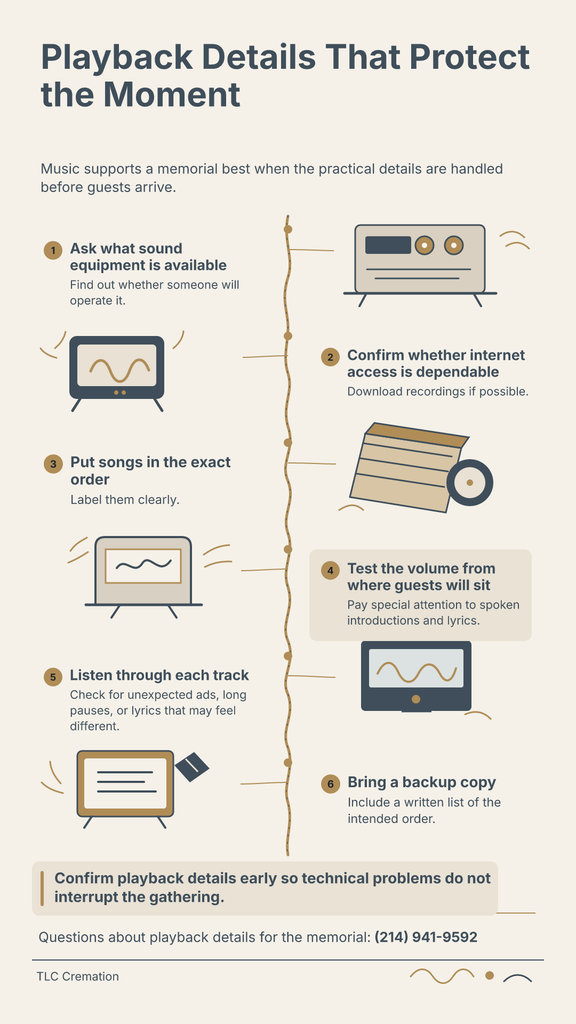
Playback Details That Protect the Moment

Music supports a memorial best when the practical details are handled before guests arrive. Confirm arrangements during the formal planning process required for final disposition in Texas, rather than assuming a device or venue setup will work as expected. 

  • Ask what sound equipment is available and whether someone will operate it.
  • Confirm whether internet access is dependable, then download recordings if possible.
  • Put songs in the exact order they will be used and label them clearly.
  • Test the volume from where guests will sit, especially for spoken introductions and lyrics.
  • Listen through each track for unexpected ads, long pauses, or lyrics that may feel different in the memorial setting.
  • Bring a backup copy on another device or storage option, along with a written list of the intended order.

    Music can be part of a memorial held days or weeks after cremation, and that extra time can make planning more manageable. If the larger process still feels unclear, this guide to the first steps after a death may help families organize questions before making decisions.
    Infographic: Playback Details That Protect the Moment

    Choosing a Playlist Families Can Stand Behind 

    If you are still unsure, choose fewer songs and give each one a purpose. Ask whether the selection sounds like your loved one, supports the people gathered, and can be played reliably in the chosen setting. Those three questions are usually enough to narrow the list. 

    A thoughtful playlist for cremation services Irving, TX does not have to please every person in exactly the same way. It should offer a true reflection of the life being honored. TLC Cremation is available to talk through memorial choices and family questions at (214) 941-9592.


      How Families Can Coordinate a Cremation From Another State

      Key Takeaways 

      • You can often begin arrangements remotely, even when family members live in different states. 
      • The place of death and the planned place of final disposition both affect the steps ahead. 
      • Confirm who is authorized to make decisions before forms and transportation are arranged. 
      • Ask early about identification, documentation, custody, and how cremated remains will be released or transferred. 
      • A later remembrance can be planned after the immediate arrangements are complete. 

      When You Are Coordinating From Far Away: Start with the Right Local Contact 

      Families seeking cremation services Irving, TX while living elsewhere can usually begin the process without traveling immediately. The important first step is to identify where the death occurred, where final disposition is planned, and who is responsible for making the arrangements. 

      Those three details matter because each location may involve different providers, authorities, records, and transportation needs. Start by speaking with a cremation provider near the place where your loved one is currently in care, then follow guidance from the appropriate authorities and care facility. 

      It is normal to feel pulled in several directions when relatives are calling from different states. Focus first on the immediate decisions, then leave the memorial details for later if that feels more manageable. 

      Situation: the Death Occurred in the Irving Area 

      This situation applies when your loved one died locally, but the person handling arrangements lives outside Texas. Distance does not necessarily prevent you from participating, though you will need to provide information and complete requested authorizations promptly. 

      • Identify the authorized decision-maker. The provider will need to know who has the authority to make final arrangements. If there are several close relatives, clarify this before making separate or conflicting requests. 
      • Gather available information. Have your loved one’s full legal name, date of birth, current location, and available medical or personal details ready. The care team will explain what else is needed for the formal arrangement process. 
      • State the preferred form of disposition. Be clear that cremation is the intended choice, and share any known wishes your loved one expressed. Texas recognizes cremation as a final form of disposition, and a formal arrangement process is required before it can proceed. 
      • Ask what can be done remotely. Online arrangements can reduce unnecessary travel and give the decision-maker time to review information carefully. For a basic overview of the local process, review how direct cremation works before beginning arrangements. 

      If you are unsure whether a document or family instruction matters, bring it up early. Waiting until transportation or authorizations are already underway can slow the process. 

      Situation: Your Loved One Died in Another State but Cremation Is Planned in Texas 

      This situation calls for extra coordination because your loved one is in one state while the planned final disposition is in another. Begin with the provider and the appropriate authorities where the death occurred, since they can explain what must happen before your loved one can be transferred. 

      Ask the Texas provider whether transportation can be coordinated and what documentation will be needed before the transfer. Requirements can vary by location and circumstance, so avoid relying on advice from friends or online forums. Check local requirements and obtain instructions from the providers directly involved. 

      It is also wise to ask what timing depends on the completion of records, authorizations, and transfer arrangements. A clear answer can help family members decide whether travel is necessary now or whether it makes more sense to gather later for a private remembrance. 

      Situation: Cremation Will Take Place Elsewhere, but Family Is in Texas 

      Sometimes the most practical choice is for cremation to take place near the location of death. Family members in Texas can still take an active role without trying to manage every task from a distance. 

      • Choose one family point person. A single contact can keep information organized and reduce confusion when several relatives are receiving updates. 
      • Communicate directly with the selected provider. Ask how the provider prefers to receive authorizations, identification, and family instructions from out of state. 
      • Request records you may need later. Ask which documents will be available and how copies can be requested or delivered. 
      • Discuss the return or transfer of cremated remains. Confirm who may receive them, whether shipment or transfer is available, and what identification may be required. 
      • Plan the gathering after immediate matters are complete. A family meal, a home memorial, or a quiet visit to a meaningful place can be arranged when relatives have had time to travel and rest. 

      A delayed remembrance is not a lesser tribute. It often gives more people the chance to participate without forcing rushed decisions in the first days after a death. 

      Situation: Family Members Disagree or Are Hard to Reach 

      This situation applies when siblings, spouses, adult children, or other relatives live in different places and do not agree on next steps. The provider cannot resolve family conflict, but clear communication can prevent avoidable delays. 

      • Confirm who has authority to make arrangements. Ask the provider what information is needed to establish the authorized decision-maker. 
      • Keep one written summary of decisions. After a family call, send a short message that notes what was decided, what remains open, and who will speak with the provider. 
      • Do not promise dates before the provider confirms them. Transportation, documentation, and authorizations can affect timing, especially across state lines. 
      • Ask what must be received before arrangements can proceed. This helps the family focus on the next necessary action rather than debating details that can wait. 

      When someone cannot be reached, tell the provider rather than making assumptions. They can explain what information is needed and whether a pause is necessary. 

      Questions to Ask a Provider About Long-Distance Cremation Arrangements 

      • Remote arrangements: Can the authorized decision-maker complete arrangements online or by phone? 
      • Authorization and identification: What forms of identification and signed authorizations are needed? 
      • Transportation: Can you help coordinate transfer from another state, or should another provider begin the process? 
      • Updates: Who will receive progress updates, and how often can the family expect communication? 
      • Return of cremated remains: What options are available for release, transfer, or shipment, and who can receive them? 
      • Clear itemization: What services are included, and which items may be optional? 
      • Custody procedures: Where will our loved one be cared for, and how is identification maintained throughout the process? 

      TLC Cremation offers online arrangements and operates a private, on-site crematory. Asking about custody is appropriate, especially when family members cannot be present in person. 

      Making a Thoughtful Choice From Another State 

      Distance adds logistics, but it does not mean you must carry every responsibility alone. A provider can help you understand what belongs to the immediate arrangement process, what can wait, and where another provider or authority must be involved. 

      For families considering cremation services Irving, TX, the most helpful approach is to gather the available information, identify the authorized decision-maker, and ask direct questions before making travel or memorial plans. TLC Cremation can provide calm guidance for your circumstances when you call (214) 941-9592. 

      Frequently Asked Questions 

      Can I Arrange Cremation in Irving While Living in Another State? 

      Often, yes. Remote arrangements may be available, but the provider will need to confirm the authorized decision-maker and obtain the necessary information and documentation before proceeding. 

      Who Can Authorize Cremation When Family Members Live in Different States? 

      The provider will need to determine who has authority to make the arrangements based on the family’s circumstances and applicable requirements. If several relatives are involved, it helps to identify one primary contact and communicate decisions clearly. 

      What Paperwork Might Be Needed for an Out-of-State Arrangement? 

      The exact documents vary, but families may be asked for identification, personal information, authorization forms, and records related to the death. Ask the provider for a written list so nothing important is missed. 

      Can a Cremation Provider Help with Transportation From Another State? 

      A provider may be able to coordinate transportation or explain how another provider can begin the transfer process. Ask early, because the location of death and local requirements can affect the available options. 

      How Can I Confirm Where My Loved One Will Be Cared For? 

      Ask the provider directly where care will take place and how identification is maintained from transfer through final disposition. You can also ask whether the provider operates its own crematory or works with another facility. 

      How to Plan a Memorial Around a Favorite Hobby or Passion

      Key Takeaways 

      • One genuine interest can give a memorial warmth and direction without making it feel staged. 
      • The right gathering format depends on the person, the family’s needs, timing, and guest comfort. 
      • Small personal details often matter more than elaborate decorations or a full program. 
      • A flexible timeline after cremation can make it easier for distant family and friends to take part. 
      • Plan for practical needs early so the day leaves room for remembrance. 

      A meaningful memorial does not need an elaborate production. It can begin with one thread from a person’s life, such as the garden they tended, the music they played, the team they followed, or the books they kept returning to. Families considering cremation services Irving, TX often find that a personal gathering on their own timeline gives them room to honor those details with care. 

      The goal is not to recreate every part of someone’s life. It is to choose what feels most true, then make space for people to remember the person behind the hobby. 

      Start with One Meaningful Thread From Their Life 

      A hobby-themed memorial works best when the interest was genuinely part of everyday life. Look for the passion that came up in family stories, shaped weekend routines, filled a room with supplies or collections, or brought the person into connection with others. 

      That may be a fishing habit, a lifelong love of classic cars, volunteer work, quilting, cooking, travel, gardening, reading, or a favorite sport. A simple theme gives guests an immediate sense of who is being honored, even if they did not share that interest themselves. 

      1. Choose a Theme That Feels Like Them, Not a Performance 

      Start by asking a few clear questions: 

      • What did they return to again and again? A passing interest may not be the right foundation. Choose something that was woven into their identity. 
      • What stories does this interest bring out? Gardening may bring up memories of shared tomatoes, early mornings outside, or flowers sent home with neighbors. 
      • What can be represented simply? A single display of cookbooks or a favorite team’s colors may say more than filling a room with decorations. 
      • What would have made them smile? If formal tributes would have embarrassed them, keep the gathering relaxed and let the details do the speaking. 
      • What can the family realistically manage? Grief takes energy. One strong idea is easier to carry than ten unfinished plans. 

      For example, a memorial for someone who loved cooking could include a shared meal, handwritten recipe cards, and a few stories about their signature dish. It does not need a themed menu, cooking demonstration, or a room full of props to feel personal. 

      If relatives suggest different interests, do not feel pressured to include all of them. Choose the central theme, then allow other memories to appear naturally in photos, conversations, or readings. 

      2. Decide What Kind of Gathering Fits the Family 

      The setting should support the people attending, not just match the hobby. A small home gathering can feel right for someone who enjoyed baking, crafting, or reading. An outdoor location may fit a gardener, angler, walker, or nature lover, provided the site is comfortable and appropriate for the group. 

      A restaurant meal, potluck, or family dinner can honor a person who loved food and hospitality. For others, an activity-based remembrance may work, such as a casual car meet, a community service project, a round of golf, or a group visit to a meaningful place. 

      A later celebration of life can be especially helpful when family members live far apart or when arranging anything immediately feels overwhelming. It also gives you time to gather photos, choose a location, and make decisions with a clearer mind. 

      Before settling on a plan, consider the person’s wishes, the season, travel needs, group size, and the physical comfort of older adults and children. A smaller gathering is not less meaningful. Often, it creates more room for honest conversation. 

      If you are still deciding what happens before the memorial, this guide on how direct cremation works for families in irving tx explains the basic process in a straightforward way. 

      3. Build the Experience with Personal Details 

      Personal touches do not need to be expensive or complicated. Choose details that invite recognition and conversation. 

      • Invitations: Use a favorite photo or a short line that reflects the person’s interest and personality. 
      • Photos: Group pictures by moments, such as fishing trips, garden seasons, concerts, volunteer events, or family meals. 
      • Music: Play songs they loved, music from a favorite era, or a playlist that suits the mood without filling every quiet moment. 
      • Displays: Set out a few meaningful items, such as a well-worn cap, a handmade craft, travel maps, medals, recipe cards, or a treasured book. 
      • Food: Serve a favorite snack, dessert, family recipe, or simple meal that connects to their traditions. 
      • Attire: Invite guests to wear a team color, a floral print, a concert shirt, or comfortable outdoor clothing only if it feels natural. Keep it optional. 
      • Storytelling: Provide cards where guests can write a memory, or ask one or two people in advance to share a brief story. 
      • Keepsakes: Send guests home with a recipe copy, seed packet, bookmark, small photo card, or a written favorite quote. 
      • Participation: Offer a low-pressure activity, such as adding a note to a memory board or choosing a favorite photo to discuss. 

      Not everyone will want to speak, dress to the theme, or take part in an activity. Giving people choices makes the gathering welcoming rather than performative. 

      4. Plan the Moments That Need Extra Care 

      A personal memorial still needs a practical plan. Handling those details early protects the family from last-minute stress. 

      • Choose what will happen with the remains. If the family plans to place or release remains at a meaningful location, check the property owner’s policies first. Public parks, waterways, sports fields, and private land may each have different requirements. 
      • Confirm the setting works for everyone. Look at parking, walking distance, seating, shade, restrooms, and access for guests with mobility concerns. 
      • Prepare for weather. Outdoor plans need a backup location or a clear rain plan, especially in North Texas heat, wind, or sudden storms. 
      • Set a realistic timeline. A gathering does not need to last all day. Many families find that a defined start, a short remembrance, time to visit, and a gentle ending work well. 
      • Assign a point person. Choose someone other than the closest mourner to manage food delivery, directions, music, supplies, and questions from guests. 
      • Think through transportation and group size. A favorite fishing spot or trail may be meaningful, but it may not safely accommodate a large group. 

      Waiting to address these issues can turn a meaningful idea into a stressful event. A simple plan made early allows the family to be present when the day comes. 

      5. Make Space for Grief Alongside Celebration 

      Laughter, stories, and favorite music belong at a memorial, but so do silence and tears. You do not need to choose between celebration and grief. A short welcome, a moment of quiet, a reading, or a time for guests to sit with photos can give the gathering emotional balance. 

      Include people who did not share the hobby by explaining why it mattered. A guest may not understand vintage cars or quilting, but they can understand what joy, patience, friendship, or pride that passion brought to the person. 

      Those who cannot attend can still be included. Invite them to send a written memory, record a short message, share a photo, or join part of the gathering by video. These contributions can be read, displayed, or saved for the family later. 

      How Cremation Services Can Support a Flexible Memorial Plan 

      A memorial centered on a hobby often benefits from time and flexibility. Families may choose a simple, dignified path first, then gather later when relatives can travel and the right setting is available. 

      TLC Cremation is family-owned and offers online arrangements for families who prefer a straightforward process. Its private, on-site crematory means the loved one remains in its care throughout the cremation process, while its focus on transparent pricing can help families make decisions with clarity. 

      For compassionate guidance as you plan a personal farewell, TLC Cremation can discuss options that fit your family’s timeline and wishes. Call (214) 941-9592 to speak with someone about cremation services Irving, TX and the next steps for arranging a meaningful memorial. 

      Frequently Asked Questions 

      Can We Hold a Memorial Weeks or Months After Cremation? 

      Yes. Many families hold a gathering later so relatives can travel, weather is more suitable, or planning does not have to happen during the first difficult days. A later date can also give you time to choose a meaningful place and collect photos or memories. 

      How Do We Keep a Hobby-Themed Memorial From Feeling Forced? 

      Choose one or two details that reflect a genuine passion instead of turning every part of the day into a theme. A favorite meal, a small display, or a few stories usually feels more natural than elaborate decorations or required participation. 

      What Can Guests Do at a Memorial Without Being Asked to Speak? 

      Guests can write a memory card, bring a photo, add a note to a display, listen to a playlist, or simply spend time with the family. Quiet participation is often just as meaningful as public remarks. 

      What Should We Consider Before Holding a Memorial Outdoors? 

      Confirm the location’s policies, parking, walking distance, seating, restrooms, shade, and weather backup plan. Consider whether the setting will be safe and comfortable for children, older adults, and anyone with limited mobility. 

      Can a Small Memorial Still Honor Someone Fully? 

      Yes. A small gathering often allows people to share more personal stories and spend unhurried time together. Meaning comes from the care behind the choices, not the number of people in the room.

      Choosing a Companion Memorial Vessel to Honor Two Lives Together

      A companion memorial vessel is meant to honor a close bond, usually a marriage or lifelong partnership, while still respecting that each person’s life was distinct. Families considering cremation services Irving, TX often find that the best choice is not about selecting an item quickly. It is about deciding how the relationship, family traditions, and future memorial plans should be reflected. 

      A Companion Memorial Vessel Can Tell the Story of a Shared Life 

      A companion memorial vessel is designed to hold the cremated remains of two people together, either at the same time or at different times. It may be chosen after both deaths, selected after the first death for later use, or included in pre-planning conversations. 

      This option can feel fitting when two people built a life around shared commitments, faith, family, travel, hobbies, or a long partnership. Still, togetherness does not require one shared vessel. Some families prefer coordinated individual pieces because it gives each person a separate place of honor while maintaining a connected design. 

      The right decision begins with the wishes of the people being remembered. It should also account for where the memorial will be kept, whether relatives may want keepsakes, and whether a future ceremony is planned. For thoughtful ways to mark a life beyond the memorial vessel itself, consider these meaningful memorial ideas for close family. 

      Start with the Timing of the Memorial Decision 

      When both people have died, families can make a complete decision based on both sets of wishes and the plans for final placement. There is less uncertainty about capacity, inscription details, and whether family members want a shared place of remembrance. 

      Choosing after the first death is also common, but it requires a little more planning. The cremated remains may be held in a temporary container or another appropriate option until the companion piece is ready to be used. Before making that choice, discuss who will care for it, where it will be kept, and what should happen when the second person dies. 

      Pre-planning gives couples the clearest opportunity to make their own preferences known. A short written note can prevent relatives from having to guess during an already difficult time. If the couple has not discussed it, it is wise to pause before choosing a permanent option rather than assuming that one shared vessel is what both would have wanted. 

      The Key Factors That Shape a Companion Memorial Vessel Choice 

      • Intended placement: A home display, columbarium niche, cemetery setting, or another location may have different size and material requirements. Confirm available dimensions before selecting anything permanent. 
      • Available space: Measure the shelf, cabinet, niche, or memorial area. A piece that is meaningful but too large for the intended place can create an avoidable problem later. 
      • Capacity needs: Ask whether the vessel is designed to hold the cremated remains of two adults. Capacity varies by design, so do not rely on appearance alone. 
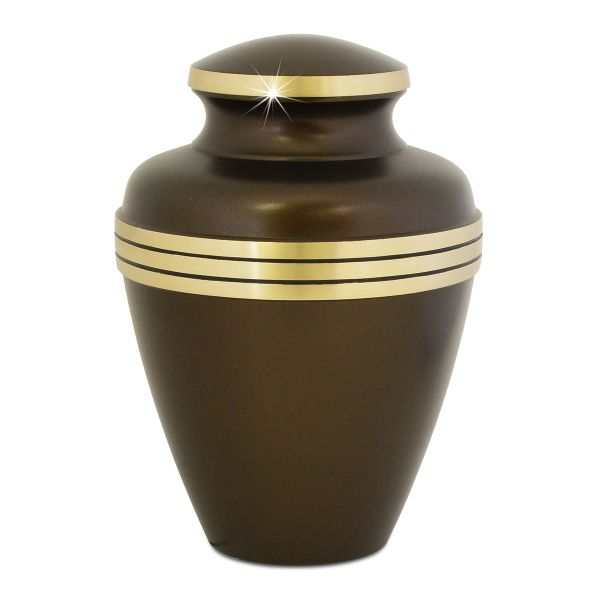
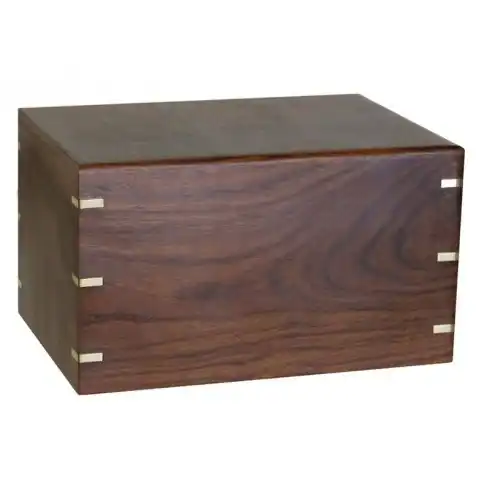
      • Material preferences: Wood, metal, ceramic, stone, and biodegradable materials each create a different look and may suit different placements. Consider durability, maintenance, and the environment where it will be kept. 
      • Design style: Some families choose a simple, classic design. Others select a theme connected to the couple’s faith, military service, love of nature, or shared interests. 
      • Personalization: Names, dates, a brief phrase, symbols, or a meaningful image may reflect both people. Leave enough room for future dates if the selection is being made after the first death. 
      • Purpose beyond holding remains: A companion piece may be symbolic, while the remains are kept separately, shared among relatives, or handled according to another memorial plan. 

      Shared Memorial Vessel, Matching Vessels, or Separate Keepsakes? 

      • One companion memorial vessel: This can be meaningful when the couple clearly wished to remain together and the family agrees on a single place of remembrance. It works best when final placement is already known. 
      • Coordinated individual vessels: Matching materials, colors, or inscriptions can show connection without combining remains. This may be a better fit when each person will be remembered in a different location. 
      • Keepsake pieces: Small memorial items can allow several close relatives to hold a tangible connection. Families should decide this early, since it may affect how much remains for the primary memorial piece. 
      • Ceremony or distribution plans: Some families choose a memorial service and a meaningful distribution of cremated remains instead of permanent display. This requires clear agreement among the people who will take part. 

      Questions to Discuss Before Making a Final Selection 

      • Did the couple express a wish to be honored together, separately, or in another way? 
      • Is there a written plan, faith tradition, or family custom that should guide the decision? 
      • Where will the memorial piece be kept now, and where will it be placed later? 
      • Does the chosen location have size, material, or display limitations? 
      • Should names, dates, a favorite saying, or meaningful symbols be included? 
      • Will close relatives want keepsake pieces or a ceremony before final placement? 
      • Who should be involved in the decision so no important voice is overlooked? 
      • If one person is still living, what temporary arrangement feels respectful until future plans are carried out? 

      Compassionate Guidance for Cremation Services in Irving, TX 

      A companion memorial decision does not need to be made all at once. Asking practical questions early can protect families from rushed choices and give everyone time to consider what best honors the people involved. TLC Cremation offers simple, dignified arrangements that can be completed online, with care maintained through its private on-site crematory. 

      For families seeking cremation services in Irving, TX, it is appropriate to ask for general guidance about companion options, capacity, personalization, and timing before making a final selection. To discuss arrangements with TLC Cremation, call (214) 941-9592.

      Understanding What Is Included in a Simple Cremation Arrangement

      A simple cremation arrangement is a straightforward choice for families who do not want a traditional funeral service before cremation. When considering cremation services Irving, TX, it helps to know that the word “simple” describes the type of arrangement, not the level of care given to your loved one. 

      The exact items included can differ from one provider to another. Asking for a clear explanation early helps your family avoid assumptions while you are already managing a difficult time. 

      What Does a Simple Cremation Arrangement Usually Mean? 

      A simple arrangement generally means cremation takes place without a formal visitation, funeral ceremony, or gathering beforehand. Families often choose it because they prefer a quiet process now and the freedom to remember their person later in their own way. 

      It is different from cremation with a funeral service, where the family plans a gathering before the cremation takes place. A simple arrangement can still be deeply personal. It simply separates the care of the person who died from any memorial plans the family may make later. 

      What Care and Coordination Are Typically Part of the Arrangement? 

      Most providers will discuss several basic parts of the process with you: 

      • Transfer Into Care: Bringing your loved one into the provider’s care from the place of death. 
      • Respectful Sheltering and Preparation: Keeping your loved one in a dignified, secure setting while arrangements are completed. 
      • Required Paperwork Coordination: Helping the family gather and complete the documents needed to move forward. 
      • Cremation Authorization: Obtaining approval from the person or people authorized to make arrangements. 
      • The Cremation Process: Completing cremation after all required steps are in place. 

      Ask the provider to explain precisely what their arrangement includes. TLC Cremation operates a private, on-site crematory, which means your loved one remains in its care throughout the process. 

      What Paperwork and Permissions Are Needed Before Cremation? 

      Cremation cannot take place immediately after a death because certain documents and authorizations must be completed first. The provider will guide the family through the information needed and confirm who has authority to make the decision. 

      This step can feel slow when you are grieving, but it protects everyone involved and ensures the family’s instructions are understood. Providing accurate personal information and returning documents promptly can prevent unnecessary delays. 

      Are a Viewing, Funeral, or Memorial Service Included? 

      A viewing, funeral, or memorial service is not usually part of a simple cremation arrangement. These options may be available separately if your family wants time together before cremation or a structured ceremony afterward. 

      Many families choose a private remembrance later, once relatives can travel and the first urgent decisions have passed. A meal, a reading, shared photographs, or a gathering in a meaningful place can be planned on your own timeline. For more guidance, read about a simple private goodbye for Irving families. 

      What Happens After the Cremation Is Complete? 

      Before making arrangements, ask how your loved one’s cremated remains will be returned and what choices are available afterward. 

      • Return Method: Ask whether the family will pick them up or whether another return option is available. 
      • Included Container: Confirm what type of container is provided for the return. 
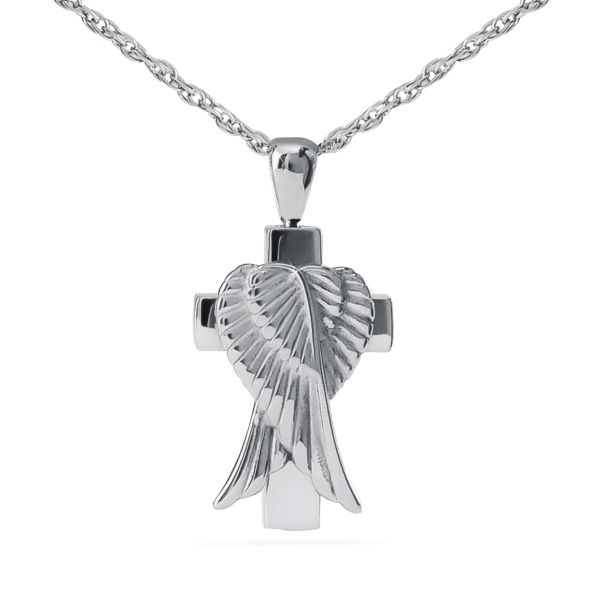
      • Optional Memorial Choices: Ask which keepsakes, memorial items, or upgraded containers are optional rather than included. 
      • Timing: Request a realistic estimate for when the remains may be ready, understanding that paperwork affects the schedule. 

      Which Questions Help Families Compare Simple Cremation Arrangements? 

      A few direct questions can make comparisons much clearer: 

      • What is included from transfer through return to the family? 
      • Are there any outside charges or optional selections we should understand? 
      • What paperwork will our family need to complete? 
      • How will the cremated remains be returned to us? 
      • Is the crematory on-site, and who maintains care during the process? 
      • What timing should we reasonably expect once documents are complete? 

      For families seeking cremation services Irving, TX, TLC Cremation can explain each step in calm, plain language and help you decide what fits your family’s wishes. To speak with someone about cremation arrangements, call (214) 941-9592. 

      Deluxe Cremation Package Options For A More Personal Family Farewell

      A deluxe cremation package is for families who want more than the simplest arrangement, but still want a calm, private, and manageable farewell. For families searching for cremation services in Irving, TX, this option can include care by a funeral director and staff, transfer of your loved one, preparation, dressing and cosmetics, a viewing, witnessed cremation, obituary support, death certificate copies, and a respectful release of cremated remains.

      What Makes A Deluxe Cremation Package Feel More Complete

      When people compare cremation services, they often see packages that look alike at first glance. The real difference is not just the list of items; it is how those items support the family during the first difficult days.

      A deluxe package usually gives families more time, more structure, and more chances to say goodbye in person. That matters because grief can feel rushed when everything happens through forms, phone calls, and decisions made under pressure.

      At TLC Cremation, a deluxe cremation package may include the services of a funeral director and staff, transfer of remains up to 25 miles, refrigeration and other preparation of the body, the cremation process, an alternative container, online obituary listing, five copies of the death certificate, release of cremated remains at the office, dressing and cosmetics, viewing plus witnessed cremation, an expedited process, and a memorial container credit.

      The non-obvious part is this: the most valuable pieces are often not the ones families notice first. A viewing, accurate certificate copies, and a guided timeline can prevent regret, confusion, and extra follow-up later.

      Why Families Choose More Than the Simplest Arrangement

      Some families start by searching basic cremation services because they do not want anything elaborate. That is completely understandable. Many people want privacy, simplicity, and less pressure to host a public gathering.

      Yet basic arrangements can feel too limited if close relatives need to see their loved one, if someone is flying in, or if the family wants a small moment before cremation takes place. Waiting until the last minute to add these things can be harder, because preparation and scheduling may already be underway.

      A deluxe package gives families room to pause. It does not require a large chapel service, a formal ceremony, or a full day of events. It simply creates space for a more personal goodbye.

      One practical insight we share often is that “small” does not mean “unfinished.” A private viewing with a few family members can bring more peace than a larger service that feels forced.

      The Details That Often Matter Later

      Death certificate copies may seem like paperwork, but they quickly become important for banks, insurance, benefits, property matters, and other personal affairs. Having five copies included can save families from making repeated requests while they are already tired.

      An online obituary listing also has more value than many people expect. It becomes a central place where relatives, old friends, former coworkers, and neighbors can confirm details and share condolences without putting that work on one grieving family member.

      The expedited cremation process can also ease tension when relatives are waiting for closure or planning travel. It does not remove grief, of course, but it can reduce the feeling that the family is stuck in limbo.

      If relatives live in different places, we recommend reading our guide on coordinating cremation arrangements when family lives in different cities. Distance adds stress, and a shared plan helps prevent mixed messages.

      Personal Touches Without Making the Day Too Large

      A more personal farewell does not have to become complicated. Families can bring clothing, choose a quiet reading, play a favorite song softly, or invite only the people who truly need to be there.

      For a private viewing, dressing and cosmetics can help family members remember the person with more comfort. This is especially important when the final days involved illness, medical equipment, or visible changes. Families often tell us they want their last memory to feel gentler than the hospital room.

      Witnessed cremation is another personal choice. Some relatives find comfort in being present for the beginning of that step. Others prefer not to attend, and that is equally valid.

      A helpful rule is to choose the elements that support your family’s grief, not the ones you feel pressured to choose. If you are unsure which pieces fit, you can call 214-941-9592 and ask a funeral professional to walk through the options with you in plain language.

      When A Deluxe Package May Be the Better Fit

      A deluxe package is often worth considering when family members have different emotional needs. One person may feel ready, while another needs to see their loved one before saying goodbye. A package with viewing and witnessed cremation can help both needs fit into one plan.

      It may also be a better fit when the death was sudden. In those cases, families often need more than basic cremation services near me search results can explain. They need guidance, preparation, and a chance to slow the process enough to absorb what happened.

      People also ask about “human cremation services near me” because they want reassurance that their loved one will be treated with dignity, not processed like a transaction. The presence of professional staff, clear transfer care, preparation, identification steps, and a formal release at the office all help create that trust.

      When people search “cremation with service cost,” they are usually trying to understand what is included, not just compare numbers. We encourage families to look closely at whether viewing, obituary support, certificate copies, preparation, and timing are part of the package or handled separately.

      A Thoughtful Farewell Can Still Be Simple

      Choosing a deluxe cremation package does not mean you are planning something showy. It means you are choosing added care, more choices, and a more complete goodbye for the people closest to your loved one.

      The right arrangement should match the person’s wishes and the family’s needs. Sometimes that means a very quiet farewell with only a few people present. Sometimes it means adding an obituary and a witnessed cremation so relatives feel included and informed.

      If you are weighing options and want steady guidance, TLC Cremation can help you decide what belongs in your plan and what does not. For cremation services in Irving, TX, families can discuss in a calm, respectful way; call 214-941-9592 when you are ready to talk.

      Direct Cremation vs. Cremation With a Private Viewing: What Families Should Know 

      When families begin researching cremation services in Irving, TX, one of the first questions that often comes up is whether to choose direct cremation or cremation with a private viewing. Both options are respectful, meaningful, and widely chosen today, but they offer different experiences during a difficult time.

      For some families, simplicity feels most comforting. Others feel a strong need for a quiet moment of connection before cremation takes place. Understanding how these options differ can help families make decisions with greater confidence and peace of mind.

      How Direct Cremation Works for Families Seeking Simplicity

      Direct cremation is a straightforward process that takes place without a formal viewing or gathering beforehand. After the necessary arrangements are completed, cremation occurs in a timely and respectful manner.

      Many families choose this option because it allows flexibility. Instead of organizing immediate services, loved ones may plan a personal memorial later when family members can gather comfortably. Some hold celebrations of life weeks or months afterward in settings that feel more personal and relaxed.

      Direct cremation can also feel less emotionally overwhelming for families who prefer private grieving or minimal formalities. The focus often shifts away from ceremony planning and toward spending meaningful time together in simpler ways.

      What a Private Viewing Adds to the Goodbye Process

      Cremation with a private viewing includes an opportunity for close family and friends to spend time together before cremation takes place. This gathering is usually intimate, calm, and personalized around the family’s wishes.

      For many people, seeing their loved one one final time brings emotional reassurance. It allows space for conversations, reflection, prayer, or quiet moments that can be difficult to recreate later.

      Private viewings are often smaller than traditional funeral services. Some families invite only immediate relatives, while others include a few close friends. The atmosphere is usually peaceful and supportive rather than formal or structured.

      Why Some Families Feel More Comfortable With a Final Viewing

      Every family experiences grief differently. What feels healing for one person may not feel necessary for another.

      Some individuals find comfort in physically being present for a final goodbye. It can help them process the reality of the loss in a gentle and meaningful way. Others may feel emotionally prepared without a viewing and prefer to remember their loved one through photographs, memories, or later gatherings.

      A daughter who recently shared her experience explained that her family initially planned direct cremation only. Later, they realized they wanted one quiet hour together beforehand. She described that moment as “simple, peaceful, and something we still talk about today.”

      Experiences like these remind families there is no universal right choice. The best decision is the one that supports emotional needs and family values.

      Midway through planning, many families find it helpful to review a page about private family farewell options before cremation to better understand what personal gatherings may include.

      Questions Families Often Ask Before Choosing

      It is normal to feel uncertain when comparing these options. Families are often balancing emotional needs, timing, traditions, and personal preferences all at once.

      Here are a few questions that may help guide the conversation:

      • Would seeing our loved one help us feel more at peace?
      • Do close family members want a quiet gathering before cremation?
      • Would a simpler process reduce stress during this difficult time?
      • Are we planning a memorial later, or do we want a moment beforehand?

      There is no pressure to follow a certain path. Families should feel empowered to choose what feels most supportive for their situation.

      The Emotional Difference Often Comes Down to Timing

      One of the biggest differences between direct cremation and a private viewing is when families choose to gather emotionally.

      With direct cremation, remembrance often happens later through memorials, storytelling, or personal rituals. Families have time to plan thoughtfully and avoid immediate scheduling pressure.

      With a private viewing, the emotional gathering happens before cremation. For some people, this creates a stronger sense of closure early in the grieving process.

      Neither approach is better than the other. They simply meet different emotional needs.

      Personalized Farewells Continue to Grow in Popularity

      Today, many families are moving away from one-size-fits-all services and choosing arrangements that feel more personal and authentic. Quiet family gatherings, memory-sharing, favorite music, and meaningful keepsakes have become important parts of modern memorial experiences.

      This shift reflects a broader desire for sincerity over formality. Families want moments that feel real, supportive, and centered on the life being remembered.

      For those still weighing their options, exploring cremation planning and memorial guidance resources can help clarify which path feels most appropriate for loved ones involved.

      Choosing the Option That Brings Your Family Peace

      The decision between direct cremation and cremation with a private viewing is deeply personal. Some families value simplicity and flexibility, while others find healing in sharing a final goodbye together before cremation takes place.

      At TLC Cremation, we understand that every family approaches grief differently, and compassionate guidance can make difficult decisions feel less overwhelming. Whether you are researching cremation services in Irving, TX, for immediate arrangements or future planning, taking time to explore your options carefully can help create a more meaningful and comforting experience. To speak with someone about personalized cremation and farewell planning, visit our family cremation support services page for thoughtful guidance and next steps.

      What Families Should Know Before Choosing Direct Cremation

      When families begin exploring cremation services in Irving, TX, one of the first options they often encounter is direct cremation. It can feel straightforward at first glance, but many families tell us they wish they had understood a few key details before making their decision. In moments like these, clarity matters. We are here to walk through what direct cremation truly involves, so you can make choices that feel right for your family. 

      What Direct Cremation Actually Includes (and What It Doesn’t) 

      Direct cremation is often chosen for its simplicity. It typically means that the cremation takes place shortly after passing, without a formal service beforehand. There is no public viewing, and the process is handled privately. 

      However, what surprises many families is what is not included. Direct cremation does not automatically involve a ceremony, gathering, or tribute. Those elements are not removed forever, but they are simply not part of the initial arrangement. 

      This distinction matters. Families who value a shared moment of remembrance may want to plan something separately, either before or after the cremation takes place. 

      Timing Moves Quickly, So Decisions May Feel Immediate 

      One of the defining features of direct cremation is how quickly it moves forward. Without scheduled services or gatherings, there is often less delay. 

      For some, this feels like relief. For others, it can feel abrupt. 

      We often encourage families to pause and ask themselves a simple question: 

      Do we feel ready for everything to happen this quickly? 

      If the answer is uncertain, it may help to explore options that allow for a bit more time, even if the overall approach remains simple. 

      Personalization Is Still Possible, Just Not Built In 

      There is a common misconception that choosing direct cremation means giving up meaningful tribute. That is not the case. 

      Personalization simply becomes a separate step rather than part of the initial arrangement. 

      Families might choose to: 

      Hold a memorial gathering at a later date  

      Create a private moment of reflection at home  

      Share stories, photos, or music in a setting that feels comfortable 

      In many ways, this flexibility can be a strength. It allows families to create something that feels deeply personal, without the pressure of a traditional timeline. 

      If you are unsure how to begin, exploring our memorial planning ideas and guidance can offer gentle inspiration for creating a meaningful experience that reflects your loved one’s life. 

      Understanding What You Will Be Responsible For 

      With direct cremation, more of the planning responsibility may shift to the family, especially when it comes to remembrance. 

      This can include: 

      Organizing any future gatherings  

      Communicating plans with friends and extended family  

      Choosing how to honor and remember in a personal way 

      For some families, this level of involvement feels empowering. For others, it can feel overwhelming during an already emotional time. 

      There is no right or wrong response. What matters is recognizing what kind of support you may need. 

      Emotional Impact Can Be Different Than Expected 

      Grief does not follow a schedule, and the structure around final arrangements can shape how it unfolds. 

      Without a formal service, some families find that the reality of the loss feels less defined at first. Others may feel a delayed need for closure. 

      We have seen how even a small, intentional moment can make a difference. Lighting a candle, sharing a meal together, or setting aside time to reflect can help create space for connection and healing. 

      If you are wondering how to create that space, our guide to planning a simple memorial service can help you take the next step with confidence. 

      Transparency Builds Confidence in Your Choice 

      Choosing direct cremation is not just about simplicity. It is also about trust. 

      Families often tell us that what matters most is knowing: 

      What is happening at each step  

      Who is caring for their loved one  

      How communication will be handled 

      Asking questions is not only okay, it is essential. Clear answers build peace of mind, especially during a time when so much feels uncertain. 

      A provider should always be willing to explain the process in a way that feels calm, respectful, and easy to understand. 

      When Direct Cremation Feels Like the Right Fit 

      For many families, direct cremation aligns well with their values. It can offer simplicity, flexibility, and the ability to focus on what matters most. 

      It may be a good fit if: 

      You prefer a private approach  

      You plan to hold a separate memorial later  

      You want fewer immediate decisions 

      At the same time, it is worth taking a moment to reflect on what will feel meaningful not just today, but in the weeks and months ahead. 

      Moving Forward with Clarity and Care 

      Choosing how to honor a life is never a small decision. Direct cremation can be a thoughtful and appropriate choice, but it works best when families fully understand what it includes and how it shapes the experience. 

      If you are exploring cremation services Irving, TX, we invite you to take your time, ask questions, and consider what will bring both comfort and meaning to your family. 

      At TLC Cremation, we are here to support you with clear guidance, steady communication, and a compassionate approach every step of the way. If you would like help thinking through your options, we welcome you to explore our direct cremation planning resources as a gentle next step toward making a confident and informed decision. 

      How Direct Cremation Works for Families in Irving, TX

      When families begin searching for cremation services in Irving, TX, they are often looking for something simple, respectful, and easy to understand. In many cases, they are also navigating grief, which can make even small decisions feel overwhelming. Direct cremation offers a clear, uncomplicated path, but knowing how it works can bring even greater peace of mind. 

      We have walked alongside many families during this process, and one thing remains true. When people understand what to expect, they feel more grounded and confident in their choices. 

      The First Step: Bringing Your Loved One into Care 

      Everything begins with a careful and respectful transfer. Once arrangements are made, your loved one is brought into professional care by trained staff. 

      This step is handled with quiet dignity. Identification procedures are followed closely to ensure accuracy at every stage. Families often tell us this is the moment reality sets in, and having a compassionate team involved can make a meaningful difference. 

      If you ever feel unsure during this step, it is okay to pause and ask questions. You deserve clarity, not confusion. 

      Completing Documentation Without Added Stress 

      There is paperwork involved, but it should never feel overwhelming. A trusted provider will guide you through each document and explain why it matters. 

      This typically includes: 

      • Authorization for cremation  
      • Required legal permits  
      • Personal information for official records 

      We believe this part of the process should feel steady and supported, not rushed. When handled well, it gives families confidence that everything is being done properly and respectfully. 

      What Happens During the Cremation Itself 

      The cremation process is private and carefully managed. Everyone is tracked through a strict identification system, ensuring the highest level of care and accuracy. 

      While families are not present during this step, many find comfort in knowing: 

      • The process is carried out individually  
      • Procedures are in place to maintain dignity at all times  
      • Every detail is handled by trained professionals 

      It may feel unfamiliar at first, but transparency helps remove uncertainty. You have every right to understand how your loved one is being cared for. 

      Returning Your Loved One to You 

      After the process is complete, your loved one is returned to you in a secure container or chosen urn. This moment can be emotional in unexpected ways. 

      Some families feel a sense of closure. Others feel a renewed wave of grief. Both reactions are normal. 

      We gently remind families that there is no “correct” response here. You are allowed to move through this moment in your own way. 

      Why Some Families Choose Direct Cremation 

      For many, the decision comes down to flexibility and simplicity. 

      Direct cremation allows families to: 

      • Avoid making immediate service decisions  
      • Plan a memorial at a later, more meaningful time  
      • Focus on emotional needs rather than logistics 

      One family we supported chose to wait several months before holding a gathering. When they did, it reflected their loved one’s personality in a way that felt deeply personal. That kind of space can be incredibly valuable. 

      Planning a Meaningful Tribute on Your Own Timeline 

      Choosing direct cremation does not mean giving up the opportunity to honor a life. It simply changes when and how that happens. 

      Families often create meaningful moments by: 

      • Hosting small, personal gatherings  
      • Sharing stories and photos in relaxed settings  
      • Marking anniversaries in ways that feel intentional 

      There is something powerful about removing time pressure. It allows remembrance to come from the heart, not from obligation. 

      If you are unsure what kind of tribute feels right, we are always here to help you explore ideas at your own pace. 

      How to Recognize a Provider Who Puts Families First 

      Not all experiences are the same. The right provider will make you feel supported, not rushed or overwhelmed. 

      Look for signs such as: 

      • Clear, honest communication  
      • Willingness to answer questions without pressure  
      • Consistent updates so you are never left wondering  
      • A calm, compassionate approach in every interaction 

      These small details build trust. And during a difficult time, trust matters more than anything else. 

      Moving Forward with Clarity and Confidence 

      Understanding how direct cremation works can remove a great deal of uncertainty. It gives families space to focus on what truly matters: caring for one another and honoring a life in a meaningful way. 

      As you continue exploring cremation services in Irving, TX, know that you do not have to figure everything out on your own. At TLC Cremation, we are here to offer guidance, answer your questions, and support you with genuine care when you need it most. 

      If you are ready to take the next step or simply want to learn more, we invite you to visit our cremation planning page. A conversation can often bring the clarity and reassurance you are looking for. 

      Seeing Your Loved One One Last Time: Private Viewing

      When it comes to cremation services in Irving, TX, many of us seek not only a respectful farewell but also a chance for closure. Direct cremation often serves families looking for simplicity, dignity, and affordability, yet the desire to see a loved one one final time remains deeply significant. For those who choose direct cremation without a public service, a private viewing can become an intimate, healing moment, one that doesn’t compromise affordability or respect.  

      Creating a Calm Setting for Healing and Remembrance  

      A private viewing offers a quiet, personal space to say goodbye and express emotions in a safe environment. It’s often a gentle gathering, attended only by close family or friends, and tailored for those who value privacy. This approach allows us to process grief at our own pace, without the pressures that sometimes come with larger ceremonies or public farewells. In these moments, the focus is entirely on honoring the individuality of the loved one’s life, keeping the experience meaningful, yet simple.  

      What to Expect When Arranging a Private Viewing  

      When families opt for a private viewing before direct cremation, several thoughtful considerations help create a respectful and serene atmosphere. The setting is typically peaceful and free of distractions, offering a brief window for viewing before the cremation. This opportunity is entirely optional, offered as gentle support for those who need visual closure or an additional goodbye. The process is managed with care, dignity, and clear communication to support families during an especially sensitive time.  

      Supporting Emotional Needs Without Extensive Formalities  

      Choosing direct cremation doesn’t mean sacrificing comfort or compassion. While there’s no elaborate ceremony, families can still engage in quiet rituals, bringing a photograph, playing a favorite song, or sharing memories aloud. These small gestures, performed privately, allow love and connection to shine through even the simplest of arrangements. Staff are present in a supportive, unobtrusive way, ready to answer questions and provide gentle guidance.  

      Balancing Affordability with Dignified Care  

      The families searching for cremation services in Irving, TX, often value a balance between affordability and the respectful treatment of their loved one. Affordability does not mean cutting corners; it means prioritizing what matters most. In facilitating private viewings, every step is taken to ensure the loved one is treated with the utmost dignity and that families feel confidence and trust in their decision. This peace of mind can make a world of difference during a difficult time.  

      Honoring Each Family’s Wishes with Compassion and Care  

      Every family is different. Some may wish to spend a few quiet minutes, while others may prefer not to view their loved one at all. There’s no right or wrong choice, and the focus stays on what brings comfort to those left behind. Transparent communication, gentle handling, and supportive staff aim to provide an experience that reflects each family’s unique needs. That’s why the pathway to healing can include a private goodbye, affirming that their loved one’s journey is, above all, honored.  

      In these moments, TLC Cremation is here to provide clarity, compassion, and careful guidance. If you are considering cremation services in Irving, TX, and wish to discuss private viewing options or learn about how we support families through every step, please reach out to us. Our team understands that dignity, trust, and genuine care are at the heart of every farewell.