








Available 24/7  214-941-9592

How to Share Cremation Wishes With Family in Advance 

Key Takeaways 

  • Talking about cremation early gives loved ones direction when emotions are high. 
  • State your preference plainly instead of assuming relatives understand it. 
  • Break planning into small conversations rather than trying to settle everything at once. 
  • Put important wishes in writing and tell trusted people where to find them. 
  • Your preferences can change as life, family relationships, and priorities change. 

Start with the Relief a Clear Conversation Can Bring 

Sharing cremation wishes ahead of time is not morbid or demanding. It is one way to reduce uncertainty for the people who may have to make decisions while grieving. Families seeking cremation services Farmers Branch, TX often benefit most when the person’s basic preferences have already been discussed. 

A calm conversation does not take sadness out of a future loss, but it can prevent relatives from wondering whether they made the right choice. It also gives family members permission to focus on supporting one another instead of trying to interpret silence. 

Choose a quiet moment when no one is rushed. You might begin with, “I want to share a few things that would help you later, if you ever need to make arrangements for me.” That opening makes clear that you are offering guidance, not placing a burden on anyone. 

Myth: My Family Already Knows What I Want 

Relatives often know someone prefers cremation, yet disagree about what that preference means in practice. One person may assume there should be a formal service, while another believes a private family gathering was intended. Both may be acting with love, but assumptions can still create strain. 

Say your preference directly. Explain whether cremation is what you want and identify the person, or small group of people, you would like involved in decisions. If family relationships are complicated, it is especially important to name a trusted person who understands your wishes and can help keep conversations focused. 

This does not mean every loved one must agree with every detail today. It means they will have a clear starting point rather than a collection of guesses. 

Myth: One Difficult Conversation Has to Cover Everything 

You can start small and return to the subject later. A short conversation over coffee, a phone call with an adult child, or a family discussion after updating other household records can be enough to begin. 

Over time, consider discussing these points: 

  • Your central preference: State plainly that you prefer cremation and whether you want arrangements kept private or shared with a wider circle. 
  • Who should participate: Name the people you hope will be included in decisions and who should receive an early call. 
  • The kind of remembrance you value: Some people prefer no gathering. Others want a meal, a faith-based observance, music, photos, readings, or a memorial held weeks later. 
  • What matters most to you: Tell family whether simplicity, time together, a particular tradition, or another priority should guide their choices. 
  • Who should be notified: Make a list of close friends, relatives, coworkers, faith leaders, or community members your family may not know to contact. 

A memorial does not have to happen immediately after a death. For ideas that help families shape a personal gathering later, read planning a meaningful cremation memorial in farmers branch tx. 

Myth: Cremation Wishes Are Only About Choosing Cremation 

Cremation is one decision, not the whole plan. The details that follow can matter just as much because they affect how your family spends their first days of grief and how they honor your life. 

Use this checklist to make your preferences more useful: 

  • Gathering preferences: Do you want a quiet goodbye among immediate family, a larger memorial, a religious observance, or no service at all? 
  • Remains preferences: Share any meaningful plans for the cremated remains, including whether you want them kept by a family member, placed in a permanent memorial location, or handled in another way that feels right to you. 
  • Personal touches: Note meaningful music, readings, photographs, military or civic recognition, charitable gifts, or traditions that would feel fitting. 
  • Budget priorities: You do not need to provide every detail. It is helpful, though, to explain whether you want your family to keep arrangements simple or place more emphasis on a gathering or tribute. 
  • Provider questions: Ask about the process, identification procedures, timing, what is included in the arrangement options, and how the provider communicates with family members. Clear answers make it easier to compare choices before there is an immediate need. 

Myth: Saying It Out Loud Is Enough 

A conversation is valuable, but memories can fade and relatives may remember different parts of it. Writing down your wishes gives your family something concrete to return to when they are tired, emotional, or separated by distance. 

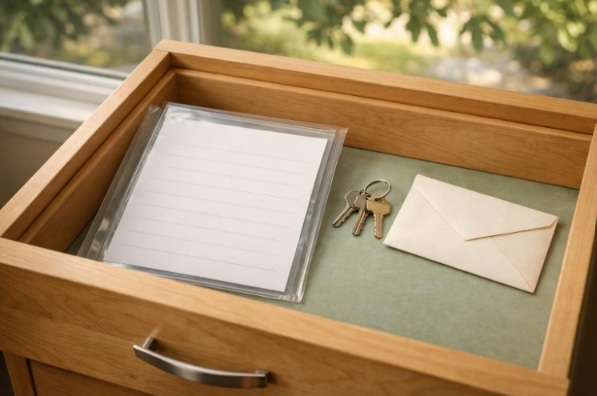
  • Create a simple written summary. Include your cremation preference, people to contact, gathering wishes, and any personal requests. Use plain language so no one has to decode what you meant. 
  • Keep it where it can be found. Store it with other important household records or in another safe, accessible place. Avoid placing the only copy somewhere no one else can reach. 
  • Tell trusted people where it is. At least two people should know the location, especially if one person may be unavailable when needed. 
  • Review it after major changes. Divorce, remarriage, a move, a death in the family, or a change in beliefs may affect who should be involved or what you want. 
  • Ask the right professional about documentation. Requirements for written arrangements can vary. If you want your instructions prepared in a particular formal way, ask an appropriate professional what documentation is suitable for your situation. 

Waiting to organize these details can leave relatives searching through papers and messages during an already difficult time. A short written note now can save them from making decisions based on incomplete information later. 

Myth: Planning Ahead Means Giving Up Flexibility 

Advance planning is not a promise that every detail must stay the same forever. It is a way to give your family direction. You can revise your notes, change who should be involved, or decide that a different type of remembrance feels more fitting as time passes. 

The most helpful plans usually identify a few firm wishes and leave room for loved ones to respond to the moment. A family may need to adjust the timing of a gathering, accommodate relatives traveling from out of town, or choose a tribute that reflects circumstances at the time. 

For general questions about the process, arrangement options, and what a simple cremation plan can include, TLC Cremation can offer calm guidance. If you are considering cremation services Farmers Branch, TX and want to begin the conversation before there is an urgent need, call TLC Cremation at (214) 941-9592. 

Frequently Asked Questions 

How Do I Bring Up Cremation Without Upsetting My Family? 

Start by explaining your reason. You can say you want to make future decisions easier for them, not cause worry. Keep the first talk brief, then return to details when everyone has had time to think. 

What Should I Tell My Family About My Cremation Wishes? 

At minimum, state that cremation is your preference, who should be involved in arrangements, and whether you want a gathering. Also share who should be notified and any traditions, music, readings, or personal requests that matter to you. 

Should My Cremation Wishes Be Written Down? 

Yes. A written summary helps reduce confusion and gives loved ones a reliable reference. Keep it with important records and tell more than one trusted person where it is stored. 

What If Family Members Disagree About My Wishes? 

Clear communication before a death can reduce disagreements. Tell the people closest to you what matters most, name a trusted person who understands your preferences, and leave a written summary they can refer to. 

Can I Change My Mind After Talking About Cremation? 

Yes. Your wishes can change as your circumstances and priorities change. Review your written notes after major life events and let the people involved know about updates. 

How to Plan a Memorial Around a Favorite Hobby or Passion

Key Takeaways 

  • One genuine interest can give a memorial warmth and direction without making it feel staged. 
  • The right gathering format depends on the person, the family’s needs, timing, and guest comfort. 
  • Small personal details often matter more than elaborate decorations or a full program. 
  • A flexible timeline after cremation can make it easier for distant family and friends to take part. 
  • Plan for practical needs early so the day leaves room for remembrance. 

A meaningful memorial does not need an elaborate production. It can begin with one thread from a person’s life, such as the garden they tended, the music they played, the team they followed, or the books they kept returning to. Families considering cremation services Irving, TX often find that a personal gathering on their own timeline gives them room to honor those details with care. 

The goal is not to recreate every part of someone’s life. It is to choose what feels most true, then make space for people to remember the person behind the hobby. 

Start with One Meaningful Thread From Their Life 

A hobby-themed memorial works best when the interest was genuinely part of everyday life. Look for the passion that came up in family stories, shaped weekend routines, filled a room with supplies or collections, or brought the person into connection with others. 

That may be a fishing habit, a lifelong love of classic cars, volunteer work, quilting, cooking, travel, gardening, reading, or a favorite sport. A simple theme gives guests an immediate sense of who is being honored, even if they did not share that interest themselves. 

1. Choose a Theme That Feels Like Them, Not a Performance 

Start by asking a few clear questions: 

  • What did they return to again and again? A passing interest may not be the right foundation. Choose something that was woven into their identity. 
  • What stories does this interest bring out? Gardening may bring up memories of shared tomatoes, early mornings outside, or flowers sent home with neighbors. 
  • What can be represented simply? A single display of cookbooks or a favorite team’s colors may say more than filling a room with decorations. 
  • What would have made them smile? If formal tributes would have embarrassed them, keep the gathering relaxed and let the details do the speaking. 
  • What can the family realistically manage? Grief takes energy. One strong idea is easier to carry than ten unfinished plans. 

For example, a memorial for someone who loved cooking could include a shared meal, handwritten recipe cards, and a few stories about their signature dish. It does not need a themed menu, cooking demonstration, or a room full of props to feel personal. 

If relatives suggest different interests, do not feel pressured to include all of them. Choose the central theme, then allow other memories to appear naturally in photos, conversations, or readings. 

2. Decide What Kind of Gathering Fits the Family 

The setting should support the people attending, not just match the hobby. A small home gathering can feel right for someone who enjoyed baking, crafting, or reading. An outdoor location may fit a gardener, angler, walker, or nature lover, provided the site is comfortable and appropriate for the group. 

A restaurant meal, potluck, or family dinner can honor a person who loved food and hospitality. For others, an activity-based remembrance may work, such as a casual car meet, a community service project, a round of golf, or a group visit to a meaningful place. 

A later celebration of life can be especially helpful when family members live far apart or when arranging anything immediately feels overwhelming. It also gives you time to gather photos, choose a location, and make decisions with a clearer mind. 

Before settling on a plan, consider the person’s wishes, the season, travel needs, group size, and the physical comfort of older adults and children. A smaller gathering is not less meaningful. Often, it creates more room for honest conversation. 

If you are still deciding what happens before the memorial, this guide on how direct cremation works for families in irving tx explains the basic process in a straightforward way. 

3. Build the Experience with Personal Details 

Personal touches do not need to be expensive or complicated. Choose details that invite recognition and conversation. 

  • Invitations: Use a favorite photo or a short line that reflects the person’s interest and personality. 
  • Photos: Group pictures by moments, such as fishing trips, garden seasons, concerts, volunteer events, or family meals. 
  • Music: Play songs they loved, music from a favorite era, or a playlist that suits the mood without filling every quiet moment. 
  • Displays: Set out a few meaningful items, such as a well-worn cap, a handmade craft, travel maps, medals, recipe cards, or a treasured book. 
  • Food: Serve a favorite snack, dessert, family recipe, or simple meal that connects to their traditions. 
  • Attire: Invite guests to wear a team color, a floral print, a concert shirt, or comfortable outdoor clothing only if it feels natural. Keep it optional. 
  • Storytelling: Provide cards where guests can write a memory, or ask one or two people in advance to share a brief story. 
  • Keepsakes: Send guests home with a recipe copy, seed packet, bookmark, small photo card, or a written favorite quote. 
  • Participation: Offer a low-pressure activity, such as adding a note to a memory board or choosing a favorite photo to discuss. 

Not everyone will want to speak, dress to the theme, or take part in an activity. Giving people choices makes the gathering welcoming rather than performative. 

4. Plan the Moments That Need Extra Care 

A personal memorial still needs a practical plan. Handling those details early protects the family from last-minute stress. 

  • Choose what will happen with the remains. If the family plans to place or release remains at a meaningful location, check the property owner’s policies first. Public parks, waterways, sports fields, and private land may each have different requirements. 
  • Confirm the setting works for everyone. Look at parking, walking distance, seating, shade, restrooms, and access for guests with mobility concerns. 
  • Prepare for weather. Outdoor plans need a backup location or a clear rain plan, especially in North Texas heat, wind, or sudden storms. 
  • Set a realistic timeline. A gathering does not need to last all day. Many families find that a defined start, a short remembrance, time to visit, and a gentle ending work well. 
  • Assign a point person. Choose someone other than the closest mourner to manage food delivery, directions, music, supplies, and questions from guests. 
  • Think through transportation and group size. A favorite fishing spot or trail may be meaningful, but it may not safely accommodate a large group. 

Waiting to address these issues can turn a meaningful idea into a stressful event. A simple plan made early allows the family to be present when the day comes. 

5. Make Space for Grief Alongside Celebration 

Laughter, stories, and favorite music belong at a memorial, but so do silence and tears. You do not need to choose between celebration and grief. A short welcome, a moment of quiet, a reading, or a time for guests to sit with photos can give the gathering emotional balance. 

Include people who did not share the hobby by explaining why it mattered. A guest may not understand vintage cars or quilting, but they can understand what joy, patience, friendship, or pride that passion brought to the person. 

Those who cannot attend can still be included. Invite them to send a written memory, record a short message, share a photo, or join part of the gathering by video. These contributions can be read, displayed, or saved for the family later. 

How Cremation Services Can Support a Flexible Memorial Plan 

A memorial centered on a hobby often benefits from time and flexibility. Families may choose a simple, dignified path first, then gather later when relatives can travel and the right setting is available. 

TLC Cremation is family-owned and offers online arrangements for families who prefer a straightforward process. Its private, on-site crematory means the loved one remains in its care throughout the cremation process, while its focus on transparent pricing can help families make decisions with clarity. 

For compassionate guidance as you plan a personal farewell, TLC Cremation can discuss options that fit your family’s timeline and wishes. Call (214) 941-9592 to speak with someone about cremation services Irving, TX and the next steps for arranging a meaningful memorial. 

Frequently Asked Questions 

Can We Hold a Memorial Weeks or Months After Cremation? 

Yes. Many families hold a gathering later so relatives can travel, weather is more suitable, or planning does not have to happen during the first difficult days. A later date can also give you time to choose a meaningful place and collect photos or memories. 

How Do We Keep a Hobby-Themed Memorial From Feeling Forced? 

Choose one or two details that reflect a genuine passion instead of turning every part of the day into a theme. A favorite meal, a small display, or a few stories usually feels more natural than elaborate decorations or required participation. 

What Can Guests Do at a Memorial Without Being Asked to Speak? 

Guests can write a memory card, bring a photo, add a note to a display, listen to a playlist, or simply spend time with the family. Quiet participation is often just as meaningful as public remarks. 

What Should We Consider Before Holding a Memorial Outdoors? 

Confirm the location’s policies, parking, walking distance, seating, restrooms, shade, and weather backup plan. Consider whether the setting will be safe and comfortable for children, older adults, and anyone with limited mobility. 

Can a Small Memorial Still Honor Someone Fully? 

Yes. A small gathering often allows people to share more personal stories and spend unhurried time together. Meaning comes from the care behind the choices, not the number of people in the room.

Choosing Between Direct Cremation and a Private Farewell

Key Takeaways 

  • A simple cremation arrangement and a private farewell can both be respectful choices. 
  • The best choice often depends on whether your family needs time together before cremation. 
  • A later memorial can give relatives time to travel and gather without rushing early decisions. 
  • Added gathering details can change the overall amount families spend. 
  • Online arrangements can reduce immediate tasks when a family wants a simple path forward. 

There Is No Single Right Way to Say Goodbye 

Both a simple cremation arrangement and a private farewell can be dignified, loving choices. Families seeking cremation services Dallas, TX often feel pressure to decide quickly, but the right answer is not based on what other families have done. 

The decision usually comes down to a few personal facts. Consider what your loved one wanted, whether close relatives need time together beforehand, how far family members must travel, and how much planning feels possible during an already difficult week. 

A private farewell is time set aside for selected family members or close friends to be with their loved one before cremation. A simple cremation arrangement does not include that gathering beforehand, leaving the family free to remember their loved one later in a setting and on a timeline that feels right. 

Factor One: What Kind of Goodbye Feels Most Meaningful 

A simple arrangement may fit when the person who died valued privacy, disliked formal events, or made clear that they did not want others to see them after death. It can also suit families who would rather hold a remembrance later, when emotions are less immediate and more people can participate. 

Other families feel strongly that they need a quiet, intentional moment before cremation. Seeing their loved one, sitting nearby, sharing a prayer, or simply having a few uninterrupted minutes together may help the reality of the loss begin to settle in. 

Neither response is more loving. The important question is not, “What is customary?” It is, “What would help the people closest to this person say goodbye in a way they can live with?” 

If you are unsure, it can help to read what families should know before choosing direct cremation before making a final decision. A clear understanding of the arrangement can make emotional choices feel less rushed. 

Factor Two: How Much Planning Feels Manageable Right Now 

A death brings practical responsibilities at the same time a family is grieving. One person may be handling notifications, another may be caring for children, and relatives may be trying to arrange travel from out of town. In that situation, a streamlined arrangement can protect the family from taking on more than they can reasonably manage. 

A private farewell requires coordination. Families may need to decide who should attend, choose a time that works for key relatives, and make personal choices about readings, music, clothing, or quiet rituals. Those details can be meaningful, but they also require decisions when concentration may be hard. 

Waiting for everyone to arrive is not always possible or necessary. If only one or two people feel they need a farewell beforehand, honor that need without assuming a larger gathering must be arranged. A later memorial can include the wider circle of friends and relatives. 

Factor Three: Which Choices Affect the Overall Amount 

The simplest arrangements generally involve fewer decisions and fewer services around a gathering. When considering a private farewell, ask which elements are truly important to your family. 

  • Time and scheduling: A gathering that requires a specific time or extended availability may add to the overall amount. 
  • Use of a private space: Reserving a setting for family members to gather is a separate consideration from cremation itself. 
  • Preparation for a farewell: Choices that prepare a loved one for viewing can affect what is included. 
  • Personal touches: Printed materials, music, readings, flowers, and other memorial details can add up, even when each choice seems small. 
  • Later remembrance plans: A gathering held after cremation can be as simple or as detailed as the family wishes. 

Ask for a clear explanation of what is included and what is optional. It is reasonable to say, “Our priority is private time together,” or, “We want the simplest arrangements now and will plan a memorial later.” That gives the provider a better way to guide you. 

Factor Four: When a Private Gathering Can Happen 

A farewell does not have to happen on one fixed schedule. Some families need a private moment before cremation because that is when they feel most connected to their loved one. Others prefer to complete the cremation first, then gather weeks or months later when family can travel and the first rush of responsibilities has passed. 

A later gathering can take many forms. Relatives may meet at a home, share a meal, visit a meaningful place, tell stories, play favorite music, or hold a memorial through a faith community. The absence of a gathering before cremation does not mean there can be no meaningful remembrance afterward. 

One family may choose a quiet goodbye for immediate relatives before cremation, then hold a broader memorial later. Another may decide that no one needs a viewing, but everyone wants time together once the family is ready. Both choices leave room for care, connection, and memory. 

How to Choose Between Direct Cremation and a Private Farewell 

Use these steps to narrow the decision without trying to solve every detail at once: 

  • Start with your loved one’s wishes. Think about statements they made, their comfort with being seen, and whether they preferred privacy or gathering. 
  • Identify the people most affected by the timing. Ask immediate family members whether anyone feels a strong need for time together before cremation. 
  • Be honest about capacity. If travel, caregiving, work demands, or grief make planning feel overwhelming, a simpler arrangement may be the kinder choice for everyone. 
  • Choose priorities before extras. Decide whether your priority is a private farewell, a later memorial, or both. Then ask which details support that purpose. 
  • Ask for straightforward guidance. TLC Cremation offers cremation arrangements, including online arrangements, and provides care through its private, on-site crematory. 

For families comparing cremation services Dallas, TX, the next step is simply to talk through what matters most, without pressure to make the goodbye look like anyone else’s. TLC Cremation can explain available options with care, and families may call (214) 941-9592 when they are ready to discuss arrangements. 

Frequently Asked Questions 

What Is the Difference Between a Simple Cremation Arrangement and a Private Farewell? 

A simple arrangement proceeds without a gathering before cremation. A private farewell gives selected family members or friends time with their loved one beforehand. Families can also choose to gather later in a separate memorial. 

Can Our Family Hold a Gathering After Cremation? 

Yes. Many families choose to gather later because it gives relatives more time to travel, rest, and make plans. The gathering can be private, informal, faith-based, or planned around a meaningful location or activity. 

How Do We Know Whether a Viewing Is Right for Our Family? 

Consider whether being with your loved one beforehand feels important to the closest relatives. If family members feel strongly divided, a quiet farewell for only those who want to attend may be a respectful middle path. 

What Usually Changes the Amount for a Private Farewell? 

The timing, use of a gathering space, preparation for viewing, and personal details can all affect the overall amount. Ask the provider to explain what is included and which choices are optional before deciding. 

Can Cremation Arrangements Be Completed Online in Dallas? 

Yes, online arrangements are available through TLC Cremation. This can be helpful for families who want a simpler process or have relatives coordinating decisions from different locations. 

A Texas Family Guide to Cremation Forms and Next Steps

Key Takeaways 

  • Most paperwork delays come from one missing detail, document, or authorization, not from the entire arrangement. 
  • Ask which fields must be completed now before submitting forms with unanswered sections. 
  • Raise family disagreement or uncertainty about authority early, before arrangements move further. 
  • You do not need every memorial decision settled before beginning cremation arrangements. 
  • Clear questions about care, timing, and the arrangement process can reduce uncertainty. 

When you need cremation services Farmers Branch, TX, forms can feel especially difficult because they arrive during a time when attention is already divided. The most helpful first step is not trying to complete everything at once. Find the exact hold-up, whether it is a missing detail, an unanswered family question, or a document still being processed. 

Cremation arrangements generally involve information about the person who died, family contacts, and written authorization. Some records come from the family, while others move through medical, government, or funeral-service channels. Separating those tasks makes the next step easier to see. 

When Cremation Paperwork Feels Overwhelming, Start with the Hold-Up 

It is normal to read a form several times and still feel unsure what it is asking for. Grief affects concentration, and small details can suddenly feel urgent. Set aside the full packet for a moment and identify the one item preventing progress. 

For example, a family may have most of the personal information ready but be unsure which relative needs to sign. That is a different problem from waiting for a record from a medical provider. Once the issue is named, the provider can explain what information is needed next and what can wait. 

Do not guess at names, dates, addresses, or family details simply to finish a form. An incorrect entry may create more follow-up later. Instead, flag the uncertain field and ask which information is essential at this stage. 

Problem: You Do Not Have Every Personal Detail the Form Requests 

Families often need to gather information from several places. A folder, wallet, phone contacts, safe, filing cabinet, or email account may hold what is needed, but it is wise to work carefully rather than rush. 

Common categories include: 

  • Identity details: Full legal name, date and place of birth, Social Security number, and identification documents when available. 
  • Residence information: Current home address, county of residence, and previous address details if requested. 
  • Family contacts: Names, phone numbers, relationships, and contact information for immediate family members. 
  • Work and service history: Employer information, retirement records, or veteran-related documents, if applicable. 
  • Insurance-related records: Policy paperwork or contact information for a carrier, when a family needs it for later matters. 

Keep original documents together and make notes about where information came from. Before submitting anything incomplete, ask the provider which blanks must be resolved now and which can be addressed later. That simple question can prevent unnecessary delay. 

Problem: Family Members Are Unsure Who Can Authorize Cremation 

This concern is more common than many families expect, especially when relatives live in different cities, communication has been strained, or a spouse and adult children are trying to coordinate decisions. Authorization requirements can depend on the family’s circumstances and applicable rules, so it is important not to rely on assumptions. 

Bring the concern to the cremation provider as soon as it arises. Explain who is involved, whether anyone is unavailable, and whether family members have given conflicting instructions. The provider can explain the documentation and process that may be needed without asking the family to sort out a sensitive issue alone. 

Waiting in hopes that uncertainty will disappear can slow everything down. A calm conversation early often gives relatives time to communicate and understand what information is still needed. 

Problem: A Death Certificate, Medical Information, or Other Documentation Is Still Pending 

Not every item on the arrangement checklist is something a family can personally obtain right away. Some documentation is completed through medical professionals, government offices, or funeral-service channels. Knowing who is handling each piece avoids repeated calls to the wrong place. 

Use this approach: 

  • Ask what is pending. Request a clear explanation of the document or information still needed. 
  • Confirm who is responsible. Find out whether the family, medical provider, funeral home, or another office is expected to take the next action. 
  • Ask what you can provide. A family may be able to supply identification, personal history, or a contact person that helps move the process along. 
  • Request an update point. Ask when it makes sense to check back, rather than feeling forced to follow up constantly. 

A death certificate and similar records may be important for matters after the service as well. Keep a written list of what has been requested and what has already been provided. That is especially useful when several relatives are sharing responsibilities. 

Problem: the Family Has Not Yet Decided What to Do with the Remains 

Choosing cremation does not mean every remembrance decision must be final immediately. Many families need time before deciding whether to hold a private gathering, choose a memorial vessel, or plan a meaningful way to honor the person’s life. 

A small gathering can happen later, when relatives have had time to travel or emotions are less raw. Some families prefer to share stories, photographs, readings, or a meal with close friends and relatives before deciding on the next step. 

Ask the provider about available options and any requirements for receiving the remains. For ideas that focus on remembrance rather than paperwork, read planning a meaningful cremation memorial in farmers branch tx. You can begin arrangements without forcing a memorial plan before your family is ready. 

Problem: the Forms, Charges, or Arrangement Process Are Not Clear 

Confusion is a reason to pause and ask direct questions, not a reason to sign something you do not understand. A respectful provider should be willing to explain the sequence in plain language. 

Consider asking: 

  • What is included? Ask for a clear explanation of the services and items included in the arrangement. 
  • What charges should we expect? Request an itemized explanation so the family understands what each part covers. 
  • What happens next, and when? Ask about the expected sequence, including paperwork, transfer of care, and when the remains may be returned. 
  • Can arrangements be completed online? Confirm what can be handled digitally and which signatures or documents may require a different process. 
  • How will our loved one be cared for? Ask where the cremation takes place and how identification and care are handled throughout the process. 

TLC Cremation emphasizes affordability, transparent pricing, dignity, and a private on-site crematory, so a loved one remains in its care throughout the cremation process. Those details matter when a family is comparing providers or trying to understand what happens after the forms are complete. 

When to Contact a Cremation Provider Right Away 

Call promptly if family instructions conflict, no one is certain who can authorize the arrangements, an important document cannot be found, or the process simply does not make sense. These are not minor questions, and early clarification is usually easier than trying to correct a problem after paperwork has been submitted. 

A locally owned, family-operated provider can help you understand the next practical step with patience and respect. For compassionate guidance with cremation services Farmers Branch, TX, TLC Cremation is available to talk through your situation at (214) 941-9592. 

Frequently Asked Questions 

What Forms Are Usually Needed Before Cremation Can Move Forward in Texas? 

Families are generally asked to provide personal information about the person who died and complete authorization paperwork. Other records may be handled through medical, government, or funeral-service channels. Your provider can explain which forms need your attention first. 

What If I Cannot Find Information Requested on a Form? 

Do not guess or enter information you are not confident is correct. Tell the provider which detail is missing and ask whether it is required immediately. They can help identify the best next step and whether another document may confirm it. 

What Should We Do If Relatives Disagree About Cremation Authorization? 

Raise the disagreement with the provider right away. Explain who is involved and what the conflict is. The provider can outline the process and documentation that may be needed based on the circumstances. 

Can Cremation Arrangements Begin Online? 

Many providers offer online arrangement options for at least part of the process. Ask what information can be submitted digitally, how signatures are handled, and who to call if a form is unclear. 

Do We Need to Plan a Memorial Before Completing Cremation Paperwork? 

No, many families make remembrance decisions later. You can allow time for relatives to gather, choose a setting, and decide what feels appropriate without rushing that choice during the initial paperwork process.